
ALBANIA TRAVEL INSURANCE
Albania Travel Insurance – Safe Coverage for Your Trip
Travel insurance is an important document for visitors planning to travel to Albania for tourism, business, family visits, short stays, or visa purposes. It helps travellers stay protected against unexpected medical expenses, travel delays, lost baggage, emergency assistance, and other trip-related risks.
For Albania visa applications, travel health insurance may be requested as part of the required supporting documents, depending on the visa type and the applicant’s situation. The Albanian Ministry for Europe and Foreign Affairs lists travel health insurance for the duration of the visa among the visa application documents.
Learn about Albania travel insurance requirements, valid medical coverage, policy duration, emergency support, baggage protection, visa-use documents, and country-specific guidance before starting your trip.
- Visa & Travel Support Document
- Emergency Medical Coverage
- Trip Delay<

Travel Insurance for Albania: What You Actually Need
Albania has earned its place on the travel map faster than almost anywhere else in Europe — pristine beaches, ancient ruins, rugged mountains, and some of the warmest people you’ll meet. But whether you’re arriving as a tourist, a business traveller or a professional driver working Albanian routes, one thing is worth sorting before you land: travel insurance.
Travel insurance for Albania isn’t a box-ticking exercise. It’s the safety net between you and potentially huge out-of-pocket costs if something goes wrong — a medical emergency, a cancelled flight, lost luggage, or an accident on the road. Albania’s public healthcare doesn’t treat uninsured foreign visitors for free, so even a routine hospital visit can land you a real bill. This guide covers what a policy should cover, what it costs, the minimum required for a visa, and how to choose the right one.
Why travel insurance matters for Albania
A few practical reasons make this more important than people assume. First, Albania isn’t part of the EHIC scheme — EU citizens who rely on their European Health Insurance Card elsewhere get no cover here, and every foreign visitor is treated as a private patient. The same goes for US travellers: ordinary US health plans, including most employer-sponsored coverage, Medicare, and Medicaid, don’t apply in Albania. Second, healthcare quality varies widely between Tirana and remote or mountainous areas, and if you’re hiking in the Albanian Alps or driving through a mountain pass, a medical evacuation to a properly equipped hospital can be both complicated and expensive. Third, for visa-required nationalities, travel health insurance with at least €30,000 of cover is mandatory for the visa; without it, your application will be refused. And fourth, professional drivers face higher risks than leisure travellers, so the financial stakes are bigger.
A note on border checks
Even if you’re visa-free, it’s now wise to carry compliant cover. Border authorities at Tirana International Airport have begun spot-checking insurance for non-EU arrivals, and travellers who can’t show a €30,000 policy risk being refused entry. The safe move is to travel with a policy that covers Albania for at least €30,000, whether or not you need a visa.
What travel insurance covers Albania
A good policy pulls together several things. The most important is emergency medical treatment — consultations, diagnosis, surgery and inpatient care at Albanian hospitals and clinics. Close behind are medical evacuation and repatriation, which cover moving you to a better-equipped facility or home if needed. Beyond the medical core, look for trip cancellation and interruption (your pre-paid costs back if you have to cancel or come home early), baggage loss and delay, travel delay cover for extra meals and accommodation, personal liability if you injure someone or damage property, accident and disability benefits, an,d on some policies, legal assistance — genuinely useful ifyou’ree involved in a road incident.
The minimum required for an Albanian visa
If you need a short-stay visa, travel health insurance is mandatory for the application, andAlbania’ss requirements closely mirror Schengen standards. Your policy needs at least €30,000 of medical and repatriation cover (some embassies accept the USD equivalent); it must explicitly cover Albania — a “Europe” policy that quietly excludes non-EU Balkan countries may be rejected — and it must cover your entire stay, from entry to departure. You’ll need a printable certificate from a recognised insurer showing your name, policy number, coverage dates, coverage amount, and the insurer’s contact details. A useful tip: when you apply for an e-visa.Also, upload your insurance Table of Benefits page along with the certificate so the officer can clearly see that you meet the €30,000 threshold. Always buy your insurance before you submit the application — a policy dated afterwards raises questions.
Types of policy
The right type depends on your trip. A single-trip policy suits one-off visitors. A multi-trip annual policy is cost-effective if you travel frequently, though each trip is typically capped at 30–60 days. A long-stay policy is for visits beyond 90 days, since standard policies often cap trip length. A backpacker or adventure policy adds cover for hiking, trekking and water sports — important in Albania. A business policy adds equipment and event cover, and a professional driver policy adds the cross-border, accident and roadside cover that commercial drivers need.
Adventure activities — read the exclusions
Albania is one of Europe’s best destinations for the outdoors — the Accursed Mountains and the Peaks of the Balkans trail, the Riviera’s water sports, white-water rafting, and the Valbona and Theth national parks. The catch is that standard policies frequently exclude adventure and extreme sports. If you plan to trek in remote mountains, raft, or do anything your insurer classes as adventurous, make sure your policy explicitly covers it. Watch for common exclusions: trekking above a set altitude, off-piste or backcountry activity, motorsports, and going without a guide where one is recommended. The add-on premium is always far less than the cost of a mountain rescue or an evacuation from a remote valley.
Travel insurance for professional drivers
Drivers working Albanian routes — especially heavy goods on international runs — have needs that go well beyond tourist cover. The job means long hours, unfamiliar roads and the added complexity of a commercial vehicle abroad. Check for road traffic accident cover during working hours (standard policies may limit or exclude injuries during paid work), and make sure there’s no blanket occupational exclusion for work injuries. If your routes cross into North Macedonia, Kosovo, Montenegro, or Greece, you need cross-border cover in every country along the route, solid repatriation cover, and, ideally, legal assistance for incidents where language is a barrier.
How to choose the right policy
Start with cover, not price — work out what you actually need, then find the best-priced policy that delivers it. Confirm Albania is explicitly covered. Read the medical limits: €30,000 is the visa minimum, but €100,000–€500,000 is more realistic for peace of mind, especially for adventure or remote travel. Read the exclusions (pre-existing conditions, adventure, occupational activity, travel against advisories). Check that there’s a 24-hour assistance line and test the number. Compare excesses and read reviews of how the insurer actually handles claims — a policy that pays promptly is worth far more than impressive cover on paper.
What travel insurance does not cover
Exclusions matter as much as coverage. Most policies exclude pre-existing conditions unless declared and accepted, self-inflicted injuries or those caused by recklessness or intoxication, injuries during unlicensed activities (like riding a motorbike without the right licence), travel against a government “do not travel” advisory, anything arising from criminal activity, pregnancy complications beyond a set stage, and claims for undeclared high-value items. Know these before you need to claim.
Using your insurance in Albania
If you need care, the private clinics in Tirana offer good, international-standard treatment, and some have direct-billing arrangements with insurers so you don’t pay upfront — your insurer’s assistance line can point you to the right facility. Public hospitals are available countrywide but vary in quality, and serious cases may be transferred to Tirana’s University Hospital Centre (QSUT). Where there’s no direct billing, you pay and claim back, so keep every receipt and medical document. In an emergency, the European emergency number 112 works in Albania; the older dedicated lines are 127 (police), 128 (fire) and 129 (ambulance). Save them before you travel.
Travel insurance for the Albanian region
The €30,000 visa rule is the same wherever you go, but the kind of cover that matters most shifts by region — mountains and hiking in the north, water sports on the coast, and longer evacuation distances in remote areas.
Tiranë
The capital has Albania’s best private hospitals, some of which offer direct billing to insurers — the easiest place to get good care on a policy. Driver jobs in Tiranë.
Durrës
A coastal city and main port, with beaches and water sports nearby; check that your policy covers water activities. Driver jobs in Durrës.
Vlorë
The gateway to the Riviera, where water sports and boat trips make adventure worth having. Driver jobs in Vlorë.
Shkodër
The gateway to the Albanian Alps and Theth — if you’ll hike, make sure trekking and altitude cover, plus evacuation, are included. Driver jobs in Shkodër.
Elbasan
A central region mostly visited by road, where solid medical and road coverage is the priority. Driver jobs in Elbasan.
Fier
Home to the Apollonia ruins, standard medical and trip cover suits most visits here. Driver jobs in Fier.
Korçë
A southeastern highland region near the Greek and North Macedonian borders, where cross-border coverage is useful. Driver jobs in Korçë.
Berat
A popular UNESCO town and a relatively low-risk visit; standard cover is usually enough. Driver jobs in Berat.
Lezhë
A northwestern coastal region with the Shëngjin beaches — check water-sports coverage if you’ll be on the water. Driver jobs in Lezhë.
Dibër
A remote mountainous region with thermal springs, where evacuation coverage matters most given the distances. Driver jobs in Dibër.
Gjirokastër
A southern UNESCO town near the Greek border and surrounding mountains — useful to have cross-border and adventure cover. Driver jobs in Gjirokastër.
Kukës
A remote northeastern region on the Kosovo highway, where strong evacuation and cross-border cover are sensible. Driver jobs in Kukës.
For professional drivers in Albania
Make sure your cover handles occupational activity and cross-border routes before you start — for a working driver, that’s a basic professional responsibility, not an optional extra.
Are you a travel insurance provider?
We don’t promote or recommend any specific insurer on this page — our aim is honest, useful information for visitors, foreign workers, drivers and employers. If you’re an insurer who’d like to reach this audience, we offer listing opportunities across the platform. Get in touch with our team to discuss the options.
The 2026 insurance rule for Albania that is catching travellers out
Albania has never turned tourists away at the border for lacking a policy, but 2026 changed the picture in two concrete ways. Since March 2026, the Ministry for Europe and Foreign Affairs has tightened digital screening of Type C e-Visa applications, and the single biggest reason for rejection is now insufficient health insurance. Even though Albania is not in the Schengen Area, its e-Visa portal has adopted the Schengen-standard minimum of €30,000 in medical cover. Hence, a cheap policy of €10,000 or €15,000 — a common assumption among travellers from India, Pakistan and the Gulf — is now a fast route to a refusal. When you apply on the e-visa portal, upload the insurance certificate together with the Table of Benefits page, which is what proves to the officer that you meet the threshold.
Visa-free visitors such as EU, UK, US and Schengen-visa holders are still not always asked for insurance. Still, border officers at Tirana International Airport have begun spot-checking policies for non-EU arrivals, and anyone who cannot produce a €30,000 policy risks being refused entry and sent back. The practical takeaway is simple: whether or not you need a visa, carry proof of a policy that clearly shows at least €30,000 of medical cover.
The deeper reason to be insured has nothing to do with paperwork. Albania’s public hospitals have improved but remain below Western European standards, especially outside Tirana, and are effectively reserved for residents. Foreign visitors are steered towards private clinics such as Tirana’s American Hospital, which offer good care and English-speaking doctors but require upfront payment and are expensive by local standards. A serious problem in a remote area — a hiking accident in the Accursed Mountains, a scooter crash on a mountain road — can mean medical evacuation to a better-equipped hospital in Tirana or across the border in Italy or Greece, which runs to thousands of euros without cover. Keep the European emergency number 112, which works in Albania, and the local ambulance number 127 to hand, and call your insurer’s emergency line as soon as you are stable.
Related guides
- Travel insurance for Europe
- Albania short-stay visa
- Health insurance in Albania
- Albania residence permit
Official sources
- Ministry of Foreign Affairs — entry and visa requirements.
- Ministry of Health and Social Protection
- Financial Supervisory Authority (AMF) — insurance regulation.
- State Police — emergency services.
Information only — not insurance, legal or medical advice. Cover, requirements and rules can change. Always read your policy and confirm requirements with the Albanian authorities before you travel.
Travel Albania. Stay Protected. Feel Secure.
Travel insurance is an important part of planning a safe trip to Albania — whether you are visiting for tourism, business, family travel, or a short stay. It helps protect you from unexpected medical costs, travel delays, baggage issues, accidents, and emergencies during your journey.
FastDriver explains what Albania travel insurance may cover, when it may be required for visa purposes, how it differs from long-term health insurance, and what travellers should check before applying — with clear country-specific guidance, no shortcuts, and no false promises.
FAQs About Travel Insurance for Albania
Get clear, accurate answers to the most common questions about travel insurance for Albania — covering visa requirements, minimum coverage, adventure activities, professional driver needs, medical evacuation, and how to make a claim.- Is travel insurance mandatory for Albania?
- Does my EHIC work in Albania?
- Does US health insurance cover Albania?
- What should the policy cover?
- How much medical cover should I get?
- Do I need adventure cover?
- What do drivers need beyond standard cover?
- When should I buy my policy?
- What does travel insurance not cover?
- Will the clinic bill my insurer directly?
- What are the emergency numbers in Albania?
- Can I get cover for a stay longer than 90 days?
- Does travel insurance replace resident health cover?
- Where can I check official requirements?
- Do I need €30,000 insurance for an Albanian e-Visa?
- Why are Albanian e-Visas being refused over insurance?
- What insurance document do I upload for the Albanian e-Visa?
- Are visa-free visitors checked for insurance at the Albanian border?
- What happens if I cannot show insurance at Tirana airport?
- Does travel insurance cover delayed or cancelled flights to Albania?
- Will my existing EU or UK travel insurance already cover Albania?
- How much does medical treatment cost for tourists in Albania?
- Which hospitals should I use in Albania?
- Do Albanian hospitals require payment upfront?
- How much does medical evacuation from Albania cost?
- Does travel insurance cover evacuation to Italy or Greece?
- Does travel insurance cover hiking in the Albanian Alps?
- Does it cover water sports on the Albanian Riviera?
- Are motorbike or scooter accidents covered in Albania?
- Does my travel insurance cover rental car damage?
- Does travel insurance cover trip cancellation for Albania?
- Does it cover lost or stolen luggage in Albania?
- Does travel insurance cover theft or pickpocketing?
- Are pre-existing medical conditions covered in Albania?
- Does travel insurance cover COVID-19 in Albania?
- How much does travel insurance for Albania cost?
- Single-trip or annual multi-trip policy for Albania?
- Can I get family travel insurance for Albania?
- What cover do older travellers to Albania need?
- Do digital nomads need insurance for Albania?
- Does travel insurance let me use public hospitals in Albania?
- How do I make a travel insurance claim after a trip to Albania?
- What documents should I keep for an Albania insurance claim?
- Does Albania have a reciprocal healthcare agreement with my country?
- What is the minimum medical cover recommended for Albania?
- Does travel insurance cover repatriation to my home country?
- Should I buy travel insurance before booking my Albania trip?
- Does travel insurance cover pregnancy or childbirth in Albania?
- Is winter or ski coverage needed for Albania?
- Can I extend my travel insurance if I stay longer in Albania?
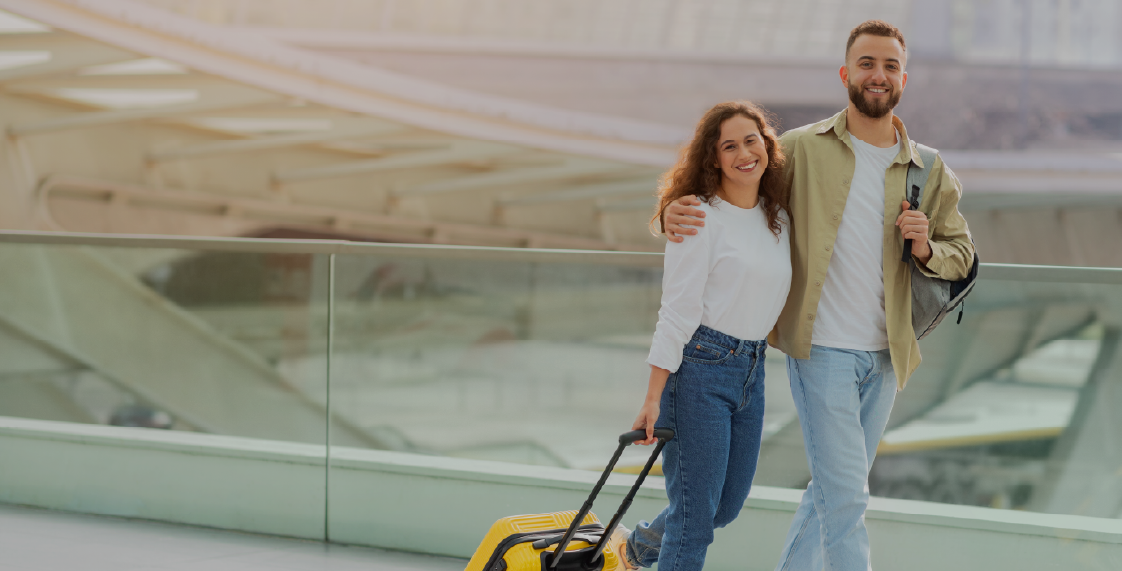
Albania Travel Insurance – Stay Protected
Travel insurance helps protect you during your trip to Albania and may be required for visa applications. It can cover medical emergencies, accidents, trip interruptions, baggage issues, and other unexpected travel problems during your stay.
Read Guide
Last Updated: July 22, 2026
This content is reviewed and updated periodically to maintain accuracy and relevance.
