
ALBANIA BANK ACCOUNT
Albania Bank Account – A Legal Necessity
Open and use a bank account in Albania for salary payments, rent, taxes, business activity, and daily financial transactions. A local bank account can be important for foreign workers, students, freelancers, employers, and long-term residents living in Albania.
Learn about Albania bank account requirements, accepted documents, proof of address, residence status, salary payments, online banking, and country-specific banking guidance before opening an account.
- Salary & Tax Payment Support
- Documents & Address Proof
- Banking for Workers & Students
- Albania Bank Account Guidance

Opening a Bank Account in Albania: A Guide for Foreigners
A bank account is one of the first practical steps after arriving in Albania. Your salary, taxes, social security, rent and bills all run through it, and legal employment is hard to complete without one. The good news is that Albania’s banking system is modern, foreigner-friendly and — since joining SEPA — far better connected to Europe than it used to be. This guide walks you through who can open an account, what you’ll need, and how it works.
The short version: foreigners can open an account in Albania, usually with a passport, a residence permit (for most banks), and a local address. Accounts come in local or foreign currencies, use IBAN, and now sit inside the SEPA zone, so euro transfers to and from Europe are quick and cheap. If you’re a driver, open your account early — browse vacancies or register a driver profile to get started.
Can foreigners open a bank account in Albania?
Yes. Foreign nationals can open an account in Albania — there’s no nationality barrier. You’ll generally need to be at least 18 and present a valid passport. Whether you need residency depends on the bank: many open a full account for residents with a residence permit and proof of a local address. In contrast, others open an account for non-residents (often property buyers or investors) with additional verification. It genuinely varies from bank to bank, so it’s worth asking a couple before you choose.
The lek and multi-currency accounts
Albania’s currency is the lek (ALL), and salaries and everyday spending are paid and incurred in lek. Most banks also offer accounts in euros and US dollars, or multi-currency accounts, which are useful if you receive money from abroad or want to hold euro savings. The Bank of Albania supervises the banking sector and includes around a dozen licensed commercial banks, including well-known names such as BKT, Raiffeisen, Credins, and Intesa Sanpaolo Bank Albania.
Albania is now in SEPA.
This is the big recent change. Albania has joined the Single Euro Payments Area (SEPA), and banks have moved to the new standard for euro transfers. In practice, a euro payment between Albania and the EU now works almost like a domestic one — far cheaper and faster than the old correspondent-bank route. A transfer that once cost €10–40 in fees now costs only a couple of euros, with the same rules and timings as elsewhere in Europe. As a SEPA member, Albania has seen Albanian banks increasingly offer instant euro transfers, so payments can arrive within seconds. For anyone sending money home or receiving euro payments, this is a real improvement.
Resident vs non-resident accounts
A resident account is the standard choice for someone living and working in Albania — full functionality for salary, tax, rent and long-term banking. Some banks offer a non-resident account with stricter checks and higher fees, and it is usually a temporary or investment-focused solution rather than for everyday use. If you’re moving to Albania for work, a resident account is what you want.
Documents you’ll need
Requirements vary by bank, but you’ll typically need a valid passport, your residence permit (for a resident account), and, often, proof of a local address, such as a rental contract or utility bill. US citizens should expect FATCA compliance paperwork, and non-residents may be asked for tax documents from their home country. Banks follow strict Know Your Customer and anti-money-laundering rules, so make sure everything is genuine and consistent. Your employer usually handles your tax and social security registration separately as part of onboarding.
IBAN and international transfers
AlIBANscounts IBANs (International Bank Account Numbers) and SWIFT/BIC codes so that you can send and receive international payments smoothly. With SEPA in place, euro transfers within the zone are simple and low-cost, and your IBAN is what employers use to pay your salary and what you’ll give for refunds, bills and transfers.
Cards, ATMs and fees
A debit card is usually issued around 20 days after the account is opened, and cards are widely accepted in cities and larger towns. Worth knowing: ATMs in Albania commonly charge a withdrawal fee for foreign cards (often a few euros) plus a currency conversion fee, so once you have a local account and card, your day-to-day costs drop. Bank fees — monthly maintenance, cards, transfers — vary, and many banks offer cheaper salary accounts, so compare before committing.
Basic payment accounts
Albanian banks offer basic payment accounts for residents that cover the essentials — deposits, withdrawals and transfers — without overdrafts or credit. They’re a straightforward option if you need a working account for salary and bills.
Banking, employment and residence
Your account is tied to your wider legal status. Salaries are normally paid by bank transfer, so you’ll need an account to receive them properly and to keep your income traceable for tax and social security. Banks may also ask you to keep your residency documents valid and to notify them of any status changes. If a residence permit lapses, your account may be restricted, so keeping your paperwork current helps maintain uninterrupted banking.
Deposit protection
Deposits in Albanian banks are protected by the Albanian Deposit Insurance Agency (ASD), up to a legal limit per depositor per bank. The figure is set in lek and differs from the EEU’s € 100,000 guarantee, so check the current coverage amount with your bank or the ASD. The Bank of Albania supervises Albanian banks.
Common issues — and the biggest mistake
The usual snags are missing proof of a local address, differing requirements between banks, and temporary holds during verification — most are solved with the right paperwork and a prompt response. By far the most common mistake, though, is simply waiting too long to open an account, which delays your salary, tax registration and residence steps. Open one as early as you can.
For professional drivers in Albania
Open your account early — your salary, tax and residence all depend on it, and with SEPA you can move euros to and from home cheaply.
- Browse driver vacancies in Albania.
- Register a driver profile.
- For employers — recruitment and compliance support
Banking in the Albanian region
The main banks operate nationwide, but their branches and ATMs are most concentrated in cities. Here’s what to expect where you live.
Tiranë
The capital, with every bank’s head office and the most branches and ATMs — the easiest place to open an account. Driver jobs in Tiranë.
Durrës
A major city and port with plenty of branches and good banking access. Driver jobs in Durrës.
Vlorë
A southern port and Riviera city with branches of the main banks in the centre. Driver jobs in Vlorë.
Shkodër
The northern hub, with branches of the major banks serving the region. Driver jobs in Shkodër.
Elbasan
A central city with solid branch coverage from the main banks. Driver jobs in Elbasan.
Fier
A southern commercial centre with branches and ATMs in the city. Driver jobs in Fier.
Korçë
A southeastern city with branches of the major banks in the centre. Driver jobs in Korçë.
Berat
A central-southern city with branch access from the main banks. Driver jobs in Berat.
Lezhë
A northwestern coastal town with branches serving the region. Driver jobs in Lezhë.
Dibër
A mountainous northeastern region (Peshkopi) with fewer branches — use the regional centre. Driver jobs in Dibër.
Gjirokastër
A southern city with branches of the main banks in the centre. Driver jobs in Gjirokastër.
Kukës
A mountainous northeastern region with limited branches — plan to use the regional centre. Driver jobs in Kukës.
Related guides
Official sources
- Bank of Albania — banking supervision and payment systems.
- Albanian Deposit Insurance Agency (ASD) — deposit protection.
Information only — not financial or legal advice. Requirements, fees and coverage limits differ by bank and can change. Always confirm directly with the bank what documents you need before you apply.
Drive Albania. Stay Legally. Belong.
A bank account is one of the first practical steps toward building a legal life in Albania — your salary, rent, business payments, tax use, and daily expenses can all flow through it. Opening an account early can make your work, residence, and long-term settlement process smoother.
FastDriver shows you the honest road, step by step — from required documents and proof of address to salary payments, online banking, tax use, and legal stay support, with no shortcuts and no false promises.
Opening a Bank Account in Albania – Frequently Asked Questions
Common questions about opening and using a bank account in Albania as a foreign worker — who can open one, whether you need a residence permit, the documents required, the lek and multi-currency accounts, and Albania’s SEPA membership, which now makes euro transfers to and from Europe fast and cheap, with instant transfers increasingly available too. Open your account early, since your salary, tax and residence steps all depend on it. Requirements, fees, and deposit protection limits differ by bank and can change, so always confirm directly with the bank what you need before you apply.- Can foreigners open a bank account in Albania?
- What currency are accounts in?
- Is Albania in SEPA?
- Does Albania use IBAN?
- What documents do I need?
- Can I open an account before I arrive?
- How long until I get my card?
- Are there ATM fees?
- Is a tax number required?
- Are my deposits protected?
- Can my account be frozen?
- What happens if my residence permit expires?
- Which banks operate in Albania?
- What’s the most common mistake?
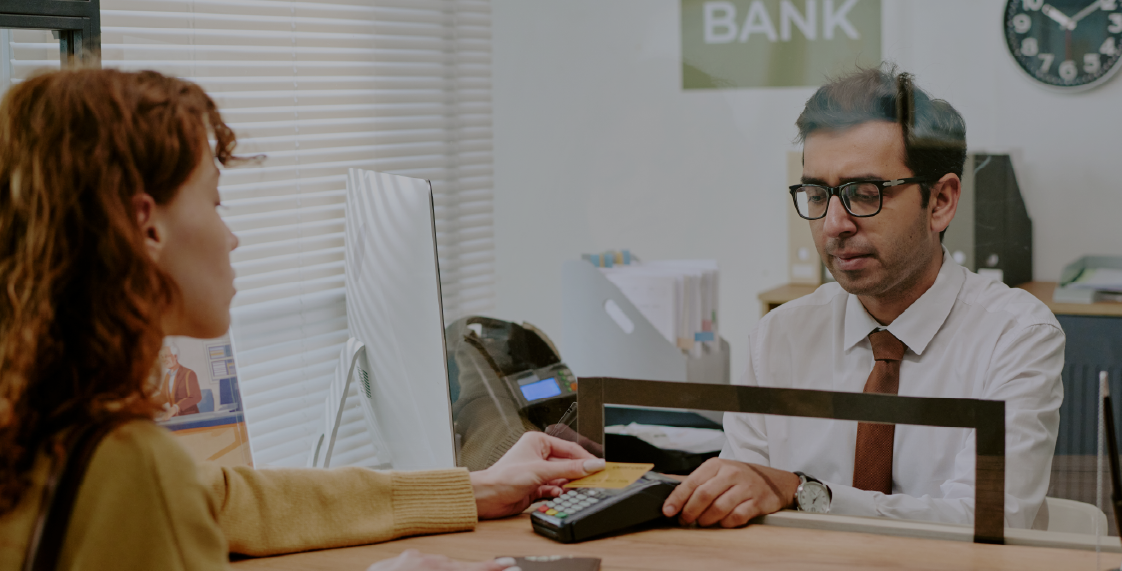
Albania Bank Account – A Legal Necessity
Essential for salary payments, rent, tax use, business activity, and managing daily financial transactions while living or working legally in Albania.
/europe/bank-account
Last Updated: June 20, 2026
This content is reviewed and updated periodically to maintain accuracy and relevance.
