
HGV & TRUCK DRIVER JOBS IN LITHUANIA
Find Truck Driver Jobs in Lithuania
Lithuania is a leading international-haulage hub with fast-rising wages and a real driver shortage. Explore CE and HGV jobs, with guidance on the licence, the 95 kodas qualification, salaries, and permits for non-EU drivers.
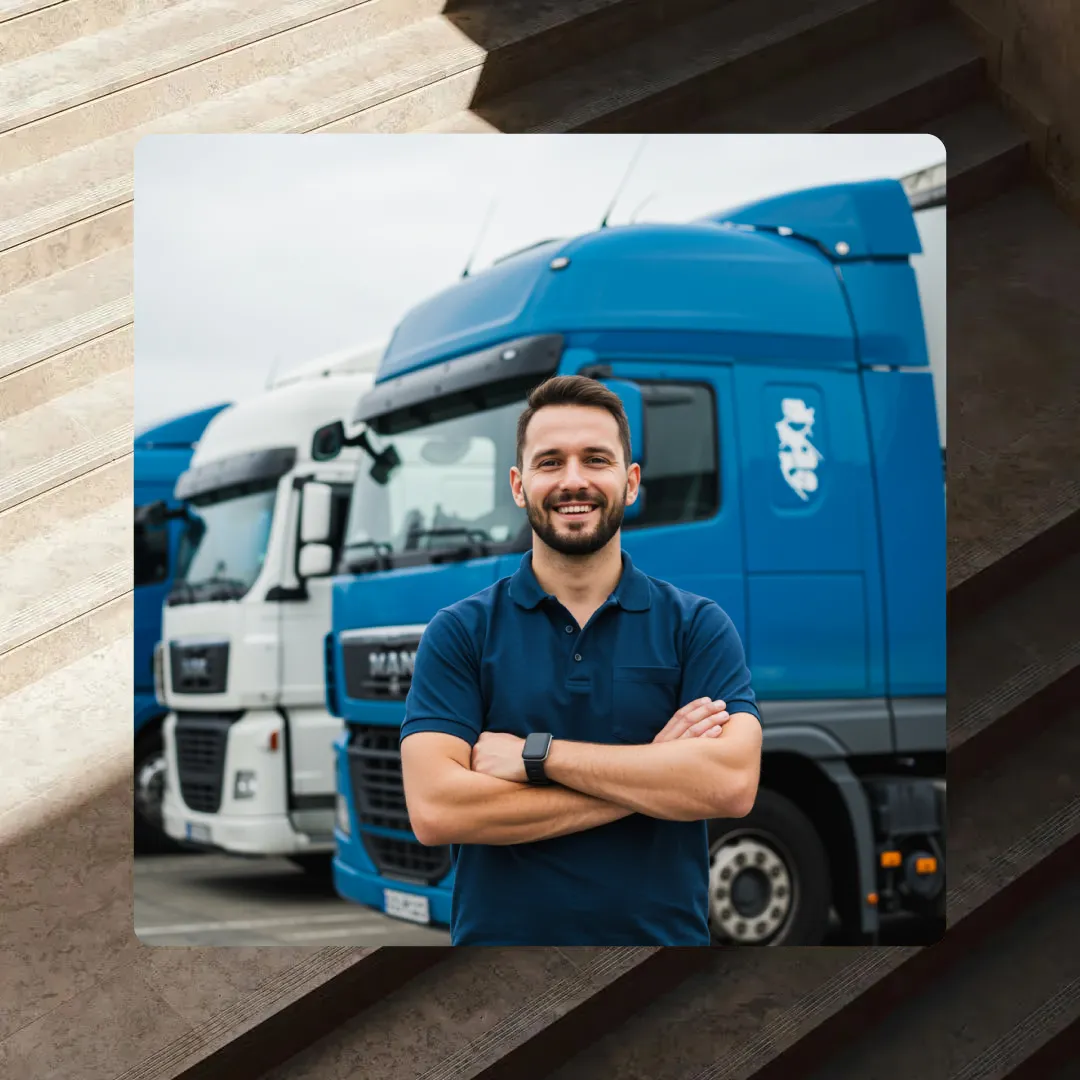
High-Paying Truck Driver Job Opportunities in Lithuania
Lithuania is the Baltic region’s critical manufacturing and logistics hub, with rapidly expanding demand for qualified heavy goods vehicle operators across all major regions and metropolitan areas. As an essential gateway connecting the Baltic states, Eastern Europe, and international markets through modern port infrastructure and extensive motorway networks, Lithuania handles growing volumes of international and regional freight daily through premium logistics facilities, creating excellent opportunities for professional drivers seeking stable, long-term employment with competitive compensation packages.
Lithuania’s strategic geographic position as a Baltic manufacturing and distribution hub, combined with its role as a critical logistics gateway for Eastern European, Baltic, and international trade, makes it essential for major freight flows through Lithuanian ports and motorway networks. The country’s extensively modernised motorway infrastructure, significant EU infrastructure investment, and advanced port and logistics operations drive strong demand for HGV-licensed professional truck drivers across domestic, regional, and international routes.
A truck driver job in Lithuania typically requires a valid Category C+E driving licence (HGV equivalent to EU CE standard), current Driver CPC (Professional Competence Certificate) certification, and compliance with Lithuanian, EU, and international driving hours regulations. Employers actively recruit qualified heavy truck drivers for long-haul, cross-border Baltic and Continental operations, including manufacturing logistics, refrigerated, tanker, and specialised freight, spanning from the Baltic states through Eastern Europe to Continental destinations. Truck driver salaries in Lithuania range from €18,000 to €36,000 annually depending on region, experience, and specialisation, offering competitive Eastern European compensation with significant bonus opportunities for international routes and specialist roles.
With ongoing labour shortages, competitive salaries, comprehensive social security systems, structured legal employment pathways for EU and non-EU drivers, and strong workplace protections and union representation, Lithuania offers excellent career prospects and earnings potential for professional drivers. Explore current truck driver vacancies in Lithuania and discover roles across all regions through our comprehensive driver jobs platform.
Understanding Lithuania’s Truck Driver Shortage and Market Demand
Lithuania’s transport and logistics sector is experiencing significant labour shortages stemming from multiple structural factors. The country currently faces a projected gap of 1,200+ qualified HGV-licensed drivers through 2030, driven by demographic attrition, emigration of Lithuanian drivers to higher-wage markets, strict regulatory and medical standards, high qualification barriers to entry, and rapid expansion in manufacturing logistics, port operations, and international freight operations. Lithuania’s workforce has shifted toward service sectors, professional careers, and international migration seeking higher wages.
The shortage is most acute in international cross-border transit operations, port logistics, manufacturing supply chains, refrigerated transport, and specialised freight, where compliance with Lithuanian and EU regulations, professional qualifications, and driving hours requirements create barriers to rapid workforce expansion. Demand spans every region, from metropolitan Vilnius through manufacturing areas to port cities and secondary regions serving Baltic and international trade.
Why Lithuania Faces Persistent Driver Shortages
Lithuania’s transport workforce has experienced selective attrition. Younger Lithuanians have increasingly pursued higher education, professional careers, and emigration to Western Europe seeking higher wages and better opportunities, creating supply gaps in traditional driver recruitment. Older drivers are retiring with insufficient younger replacements entering the profession. EU and Lithuanian labour laws limit maximum driving hours and mandate extensive rest periods, reducing the total productive hours employers can allocate to each driver compared to some markets and therefore requiring more drivers to move the same freight volume.
Regulatory barriers reinforce supply constraints. The requirement for a valid HGV driving licence (Category C+E equivalent), mandatory Driver CPC professional qualification, and tachograph compliance create lengthy qualification pathways. Lithuania’s training costs are moderate but represent significant barriers for many workers. Only drivers meeting strict medical standards are approved, significantly limiting supply. These factors create durable barriers to rapid workforce expansion despite growing wage incentives and demand.
Lithuania’s lower wages relative to Western European markets have driven the emigration of qualified drivers seeking higher earnings abroad, exacerbating domestic supply constraints. However, recent wage increases and improved working conditions have improved driver compensation and recruitment prospects. Supply chain globalisation and increasing international trade volumes through Lithuanian ports have intensified freight flows and labour demand. Baltic distribution expansion and manufacturing growth have accelerated competition for driver talent across all vehicle categories and route types.
In-Demand Truck Driver Roles in Lithuania (Projected Shortage by 2030)
| In-Demand Driver Roles: Transport & Logistics Sector, Projected Shortage Annual | l Shortage Estimate |
|---|---|
| Heavy Truck Drivers (HGV/CE Licence) | 450+ drivers |
| International and Cross-Border Transit Drivers | 300 drivers |
| Port Logistics and Intermodal Drivers | 200 drivers |
| Manufacturing and Supply Chain Drivers | 150 drivers |
| Refrigerated and Food Distribution Drivers | 80 drivers |
| Tanker & ADR (Hazardous Goods) Drivers | 20 drivers |
These projections reflect Lithuania’s role as the Baltic region’s logistics hub, gateway positioning for Baltic and Eastern European trade through ports, and rapid expansion in manufacturing, port operations, and international supply chains. Demand is distributed across all regions and accelerating in response to EU trade integration, infrastructure investment, and Baltic distribution expansion.
Key Reasons for High Demand for Truck Drivers in Lithuania
- Demographic Shift: Younger workers pursuing higher education and emigration seeking higher Western European wages.
- Emigration Patterns: Qualified drivers leaving for higher-wage Western European opportunities.
- Strict Working Hour Limits: EU and Lithuanian regulations restrict driving hours and mandate rest periods, requiring more total drivers.
- Baltic Gateway: Geographic position creates significant east-west and international freight demand.
- Port Gateway Status: Gateway through major Baltic ports handling significant international freight volumes.
- Transit Hub: Lithuania is the Baltic region’s critical gateway to Eastern Europe and international markets.
- Infrastructure Investment: Motorway modernisation and EU infrastructure investment increasing capacity and demand.
- Manufacturing Growth: Strong manufacturing sector creating logistics demand.
- E-commerce Boom: Rapid expansion in online retail and last-mile delivery operations.
- Baltic Distribution: Growing Baltic distribution expansion through Lithuanian hubs and ports.
Lithuania’s Strategic Position in European Freight Networks
Lithuania occupies a critical position in Baltic, Northern European, and international logistics. The country serves as an essential gateway and distribution hub for all major Baltic, Northern European, and international freight flows through Lithuanian ports and motorway networks. Lithuania connects the Baltic states, Eastern Europe, and international markets to Western Europe through modern port infrastructure, direct shipping routes, and integrated motorway networks. This geographic positioning makes Lithuania essential for Baltic logistics operations and critical for regional and international supply chains.
Lithuania generates substantial domestic freight demand through its manufacturing, chemical, pharmaceutical, food processing, and technology sectors. Simultaneously, the country has emerged as a critical distribution and logistics hub, with major logistics parks, warehouses, and distribution centres concentrated around Vilnius, Kaunas, Klaipėda, and secondary cities. Lithuanian ports rank among the Baltic region’s busiest, creating substantial port logistics and intermodal freight demand.
The Lithuanian motorway network is modern and extensively developed. Key routes including the Via Baltica (north-south Baltic corridor through Vilnius), A1 (eastern routes), and extensive secondary roads enable Lithuania to process substantial and growing freight volumes. All major routes are maintained to EU standards, supporting high-capacity professional driving operations. Border access to other Baltic states, Poland, Belarus, and Russia, along with ferry connections to international ports, create premium international logistics opportunities and gateway positioning.
Regions in Lithuania with Strong Truck Driver Demand
Truck driver demand spans all Lithuanian regions, each with distinct logistics profiles and specialisations. The table below covers major regions and key cities, from metropolitan Vilnius through manufacturing areas to port regions serving international trade.
| Region / County Cluster | Key Cities | Main Logistics Activity Indicative | e Annual Salary |
|---|---|---|---|
| Vilnius & Central Lithuania | Vilnius, Trakai, Elektrėnai | National distribution hub, metropolitan delivery, international transit | €19,000 – €33,000 |
| Kaunas & Central-Eastern Lithuania | Kaunas, Panevėžys, Jonava | Manufacturing logistics, industrial supply chains, regional distribution | €18,000 – €32,000 |
| Klaipėda & Western Lithuania | Klaipėda, Šiauliai, Telšiai | Port logistics, intermodal operations, international trade, maritime freight | €18,000 – €32,000 |
| Secondary and Regional Areas | Alytus, Varėna, Utena | Regional distribution, secondary logistics, domestic operations | €17,500 – €30,000 |
Salary Analysis and Compensation Structure
Metropolitan and Distribution Regions (Vilnius): Lithuania’s highest-paying regions offer base salaries of €19,000–€33,000 combined with significant overtime and international route premiums. Metropolitan distribution and international transit create varied opportunities with stable year-round demand and multiple employer options with competitive compensation packages.
Central and Manufacturing Regions (Kaunas, Panevėžys): Central and manufacturing regions offer salaries of €18,000–€32,000. Manufacturing and industrial supply chains create consistent demand and stable opportunities. These regions typically offer excellent work stability and competitive benefits packages aligned with collective agreements.
Port and Western Regions (Klaipėda, Šiauliai): Western and port regions offer salaries of €18,000–€32,000 reflecting regional positioning. Port logistics, maritime operations, and international trade create premium opportunities and international freight demand. Port proximity provides competitive advantages for international and port-experienced drivers.
Secondary and Regional Areas: Secondary regions offer salaries of €17,500–€30,000. Regional distribution and domestic operations create steady opportunities. Regional expertise and local market knowledge create value for regional employers.
Salary Components and Legal Standards: Lithuanian employment law requires written contracts specifying salary, working hours, benefits, and all deductions. Most transport employers operate under collective agreements (Kolektyvine sutartis) setting sector-wide minimum wages and benefits standards. Standard compensation includes:
- Base monthly wage determined by collective agreement classification and experience level
- Overtime premiums for hours exceeding standard limits, typically 1.25x–1.5x base rate
- Per diems and allowances for time spent away from home base, typically €8–€15 per day
- Route-specific bonuses for international, cross-border, or challenging conditions
- Fuel surcharges and vehicle mileage reimbursements where applicable
- Performance bonuses for safety records and on-time delivery achievement
- Paid vacation minimum, 20 working days annually under Lithuanian law (often higher per collective agreements)
- Mandatory social security contributions, health, unemployment, pension insurance
Lithuania’s wage levels are competitive with Eastern European wages, reflecting cost of living and productivity expectations. Professional drivers with international experience and specialist qualifications (ADR, refrigerated, cross-border, Continental operations) command premiums of 12–20% above base rates. Annual salary increments of €200–500 are typical for drivers maintaining clean safety records and employment continuity.
How to Get a Truck Driver Job in Lithuania (Step-by-Step)
- Obtain a valid HGV driving licence (Category C+E equivalent) or ensure your existing licence is recognised in Lithuania.
- Ensure Driver CPC (Professional Competence Certificate) is valid and meets Lithuanian professional requirements.
- Hold a digital tachograph driver card valid in Lithuania and internationally.
- Prepare a professional Lithuania-standard truck driver CV emphasising route experience and regulatory compliance.
- Apply to verified Lithuanian transport companies through our driver jobs platform.
- Secure a signed employment contract complying with Lithuanian labour law and applicable collective agreements.
- For non-EU nationals: complete required legal employment and work authorisation procedures before entering Lithuania.
- Complete employer onboarding, tachograph procedures, and local administrative requirements.
Understanding Lithuanian Employment Law and Contracts
Lithuanian employment is regulated under the Lithuanian Labour Code (Darbo kodeksas) and collective labour agreements, providing substantial worker protections. As a prospective driver, you should expect:
- Written Contract Requirement: All employment must be documented in writing with clear terms regarding role, salary, working hours, benefits, and termination notice. Verbal agreements are not legally binding.
- Probation Period: Typically 1–3 months for truck drivers, during which either party can terminate with minimal notice. After probation, substantially stronger dismissal protections apply.
- Working Time Regulations: Lithuanian law limits standard working hours to 40 hours per week. EU driving hours regulations (9–10 hours daily, 56 hours weekly) override employment law where more restrictive.
- Paid Leave: Minimum 20 working days annual paid vacation under Lithuanian law, plus public holidays (approximately 14). Total combined paid time off is substantial by Eastern European standards.
- Dismissal Protection: After probation, employers must provide written notice, typically 2 weeks to 1 month (or as specified in the contract), and documented reasons. Arbitrary dismissal can be challenged legally.
- Social Security Contributions: Employers and employees contribute to mandatory pension, health insurance, unemployment insurance, and other benefits automatically. These contributions are mandatory and non-waivable.
- Collective Agreements: Many transport employers operate under sector-wide collective agreements (Kolektyvine sutartis) negotiated between unions and employer associations. These set minimum wages, benefits, and working conditions that supersede individual contracts where more favourable.
For foreign workers, ensure your employer provides:
- Clear explanation of your wage classification and applicable collective agreement
- Signed contract copy in a language you understand, English, or other major language
- Written confirmation of vehicle assignment and maintenance responsibility
- Details of tachograph compliance procedures and record-keeping expectations
- Clarification of any bonuses, overtime calculation rules, or allowances
- Information on pension and health insurance enrollment and deduction procedures
- Explanation of any probation terms and notice periods
Benefits of Working as a Truck Driver in Lithuania
- Significant labour shortage creates excellent job security and stable long-term prospects.
- Strategic geographic position generates diverse international route opportunities, cross-border Baltic and Continental.
- Port logistics, manufacturing, and international trade create premium freight opportunities.
- Competitive Eastern European salaries with significant premiums for international and specialist roles.
- Overtime and international route bonuses provide substantial income supplementation.
- Strict driving hours and rest period protections ensure reasonable working conditions.
- EU membership provides an efficient framework and free movement protocols for drivers.
- Comprehensive Lithuanian social security system provides good health care and pension coverage.
- Strong legal framework protects driver rights and working conditions.
- Professional development opportunities through Driver CPC training and specialist certifications.
- Strong collective labour agreements ensure transparent wage scales and union dispute resolution support.
- Pathway to long-term residence and career stability for EU and qualified international workers.
- English-language proficiency widely supported in Lithuanian workplaces eases integration.
- Competitive cost of living offset by wages enables good quality of life benefits.
- Gateway position creates diverse international route opportunities and career advancement.
Truck Driver Jobs in Lithuania: HGV Licence & Driver CPC Complete Guide
Truck driver jobs in Lithuania remain in high demand across all regions due to ongoing driver shortages, regulatory compliance requirements, and Lithuania’s critical role in Baltic and international logistics and distribution. For HGV driver jobs in Lithuania or truck driver jobs in Lithuania, employers prioritise legally compliant candidates with valid qualifications, clean compliance records, and professional safety attitudes.
To work legally as a heavy truck driver in Lithuania, you typically need:
- HGV Driving Licence (Category C+E equivalent)
- Driver CPC (Professional Competence Certificate), where required for commercial driving
- Driver card, tachograph card
This guide explains how these requirements work in Lithuania, what foreign drivers should prepare, and how to secure compliant, long-term truck driving jobs in Lithuania, including international and long-haul routes serving Vilnius, Kaunas, and the wider regional network across all Lithuanian regions.
What Is an HGV Licence (Category C+E) in Lithuania?
An HGV licence (Category C+E equivalent) allows you to drive heavy goods vehicles with trailers exceeding 750 kg. It is essential for:
- International long-haul freight across Baltic, Eastern European, and Continental routes
- Trailer and semi-trailer, tractor unit operations
- Manufacturing and supply chain operations
- Port logistics and intermodal operations
- Refrigerated transport and food distribution
- Tanker operations, with additional ADR endorsements where applicable
Lithuanian employers typically expect practical HGV experience, including coupling and uncoupling trailers, load-securing competence, safe reversing procedures, Baltic and cross-border route knowledge, and professional transport documentation. For many roles, HGV is the baseline requirement for long-haul truck driver jobs in Lithuania and cross-border international freight operations.
Understanding the Lithuanian and EU Driving Licence Framework
Lithuania issues European driving licences conforming to EU Directive 2006/126/EC standards. An HGV licence issued in Lithuania is recognised throughout EU and EEA jurisdictions. You do not require separate licences for different countries, as your HGV licence provides legal driving authorisation across Lithuania and all EU and EEA countries.
The European licence format includes standardised numbered fields, allowing enforcement officers across all EU and EEA countries to verify your qualifications. This mutual recognition framework eliminates licensing barriers for professional drivers and supports the free movement of labour essential to international transport operations.
What is Driver CPC (Professional Competence Certificate), and why is it mandatory for Truck Drivers in Lithuania?
Driver CPC is the EU-recognised professional qualification for commercial truck driving. In Lithuania, professional drivers must complete periodic training to keep qualifications valid and ensure regulatory compliance, especially for roles subject to tachograph enforcement and driving-time rules.
Driver CPC training in Lithuania focuses on:
- Road safety and defensive driving techniques
- Lithuanian and EU driving hours, rest rules, and tachograph compliance procedures
- Load securing and transport safety protocols
- Fuel-efficient driving and operational best practice
- Emergency response procedures and professional conduct standards
- Cross-border and Baltic route safety considerations
Without a valid Driver CPC where required, a driver may be restricted from commercial driving and may face penalties. Always confirm whether Driver CPC applies to your licence issue date, job type, and route profile before starting work in Lithuania.
HGV Licence vs Driver CPC in Lithuania: Key Differences Explained
| HGV Licence Driver | r CPC |
|---|---|
| Driving category permission | Professional competence qualification |
| Defines which vehicles you can drive | Defines whether you can drive commercially |
| Earned via theory and practical exams | Maintained via periodic training, renewal cycles |
| Required for heavy vehicle operation | Required for paid professional driving, when applicable |
In practice, most employers recruiting for HGV truck driver jobs in Lithuania expect both HGV and a valid Driver CPC for immediate route allocation and compliant onboarding. Driver CPC appears in field 12 of your European driving licence.
Who Needs an HGV Licence and Driver CPC to Work in Lithuania?
You typically need both if you:
- Drive heavy goods vehicles over 3.5 tonnes
- Operate commercial freight services for an employer
- Drive international or cross-border routes
- Work in roles requiring full tachograph compliance
Exact rules can vary depending on the licence issue date and driving activity. To avoid compliance risk, verify requirements before accepting a job offer in Lithuania.
Minimum Requirements to Become a Truck Driver in Lithuania
- Valid HGV driving licence, or a valid path to recognition or exchange
- Valid Driver CPC where required
- Driver card, tachograph card, for applicable vehicles or routes
- Clean driving record and professional conduct
- Medical fitness meeting Lithuanian standards
- Signed contract or confirmed job offer from a verified Lithuanian employer
- Functional English or Lithuanian language proficiency
How to Obtain or Renew an HGV Licence in Lithuania
To obtain an HGV licence in Lithuania, you must:
- Hold a valid Category C licence first
- Be at least 18 years old, with some restrictions for professionals
- Pass Lithuanian medical fitness requirements
- Complete theoretical training and pass the theory exam
- Complete practical training and pass practical driving exam with an examiner
- Submit application to the Lithuanian State Labour Inspectorate (VDIRM) or transport authority
Processing typically takes 4–8 weeks in Lithuania after exam completion. HGV licences are valid for 5 years, renewable with a current medical certificate. Older professional drivers, typically 50 or older, may face additional medical checks at renewal.
Converting a Foreign HGV Licence to Lithuanian Recognition
If your HGV licence is issued outside the EU/EEA, formal recognition steps may be required before you can work legally in Lithuania. The process typically involves:
- Official Lithuanian or English translation of your licence, certified by a translator
- Verification of licence authenticity with the issuing country’s authority
- Lithuanian medical examination confirming fitness for professional driving
- Possible testing or training requirements, depending on the issuing country and bilateral agreements
Lithuanian transport authorities handle Non-EU licence conversions. Processing time varies from 4–12 weeks depending on verification requirements. Do not assume automatic acceptance. Confirm the correct recognition procedure before committing to an employer start date.
EU and EEA licences are recognised in Lithuania under EU Directive standards. No conversion or exchange is necessary. Your existing HGV licence is valid for legal driving in Lithuania and all EU/EEA countries.
How to Obtain or Renew Driver CPC in Lithuania
In Lithuania, periodic training is structured as:
- Total training: 35 hours within each 5-year cycle
- Format: typically 5 modules of 7 hours each, or an approved equivalent structure
- Provider: must be an officially approved training provider in Lithuania or another EU country
Training providers throughout Lithuania offer Driver CPC courses in Lithuanian, English, and other languages. Providers include driving schools, logistics companies, and specialised training centres. Online and blended learning options are increasingly available. After completion, proof of training is used to obtain or maintain the Driver CPC entry in your licence record.
Plan Driver CPC renewal early, at least 8 weeks before expiry, to avoid delays in job allocation or route assignment. Consider using our driving licence practice resources to prepare for any Driver CPC theory assessments and ensure compliance readiness.
Step-by-Step: How to Find and Secure a Truck Driving Job in Lithuania
Step 1: Verify Your Qualifications
Ensure your HGV licence is valid, Driver CPC is current, and your tachograph driver card is active. Confirm that your qualifications meet Lithuanian requirements. EU/EEA licences are automatically accepted; non-EU licences require formal recognition.
Step 2: Prepare Professional Documentation
Compile a professional Lithuania-standard CV emphasising HGV experience, route types, cross-border and Baltic knowledge, safety record, and compliance history. Obtain professional references from previous employers. Prepare copies of your driving licence, tachograph card, and any additional certifications.
Step 3: Identify Target Employers
Research verified Lithuanian transport companies, international logistics operators, and recognised freight carriers. Use industry directories, professional associations, and recruitment platforms to identify legitimate employers in your target region, Vilnius, Kaunas, Klaipėda, or other cities.
Step 4: Apply and Secure an Interview
Submit applications to verified employers. Most employers conduct phone or remote interviews to confirm qualifications, route experience, and language ability before progressing to formal hiring stages.
Step 5: Negotiate and Sign Contract
Once offered a position, request a written contract specifying job title, salary, working hours, allowances, benefits, probation terms, and termination notice. Review carefully and seek translation assistance if needed. Ensure all terms comply with Lithuanian labour law and collective agreements.
Step 6: Complete Non-EU Work Authorisation, if applicable
Non-EU nationals must secure employer-supported work authorisation before starting work. Lithuania uses residence permit procedures for long-stay employment. Processing typically takes 4–8 weeks. EU citizens do not require work permits but must meet registration requirements.
Step 7: Arrange Travel and Complete Local Registration
After legal authorisation is confirmed, arrange travel to Lithuania. Upon arrival, non-EU workers must register with local authorities. EU citizens must register their residence with local authorities.
Step 8: Complete Employer Onboarding
Report to your employer for induction, vehicle assignment, tachograph configuration, safety briefing, and company procedures training. Clarify any questions about wage payment, allowances, route scheduling, and compliance procedures.
Step 9: Start Work and Maintain Compliance
Begin work ensuring all documents are valid, tachograph entries are accurate, rest periods comply with regulations, and safety practices are observed. Maintain professional standards and report any compliance concerns to your employer.
Lithuania’s Truck Driver Salary Framework
Truck driver salary in Lithuania depends on classification, route type, contract structure, and experience. Typical pay components include:
- Base wage: Aligned with collective agreement classifications and experience levels, typically €1,400–€1,900 monthly for skilled drivers
- Overtime premiums: Hours exceeding standard limits typically attract 1.25x–1.5x base hourly rates
- International route bonuses: Cross-border and long-haul routes often command day rate premiums, €3–€8 per day depending on route complexity
- Per diem allowances: Compensation for time away from home, typically €8–€15 per day
- Performance bonuses: Safety records, on-time delivery, or fuel efficiency achievements may attract additional compensation
- Paid leave: Minimum 20 working days annually, plus approximately 14 public holidays
Lithuanian employers are required by law to comply with minimum wage standards and provide transparent wage calculations. Payroll is typically monthly, with deductions for mandatory pension contributions (approximately 11.48%), health insurance (approximately 6.98%), income tax (typically 15% or progressive), and social insurance. Collective agreements typically specify all deduction rules clearly. Total deductions typically amount to 33–42% of gross salary depending on income level and social insurance eligibility.
Working Time Standards and Compliance in Lithuania
Lithuanian labour law enforces working time limits at 40 hours per week on average, with mandatory daily and weekly rest periods. EU driving hours regulations further restrict driving time to 9–10 hours daily and 56 hours weekly. Night work (typically 22:00 to 06:00) is regulated and attracts premium compensation. Your employer must provide clear scheduling and time tracking to ensure compliance with Lithuanian labour law and EU driving hours regulations.
Common Mistakes Truck Drivers Make in Lithuania (HGV Licence & Driver CPC)
- Starting work before legal work authorisation is valid for non-EU nationals
- Assuming a non-EU licence is automatically accepted without formal recognition
- Letting Driver CPC lapse or missing renewal deadlines
- Ignoring tachograph compliance, rest time, manual entries, documentation
- Signing unclear contracts with undefined allowances or deduction terms
- Using unverified intermediaries instead of applying directly to employers
- Not confirming exact salary, overtime rates, and bonus structures in writing
- Exceeding driving hour limits due to pressure or miscommunication
HGV Licence and Driver CPC Validity, Renewal, and Expiry Rules in Lithuania
- Driver CPC requires 35 hours of periodic training within each 5-year cycle
- Training is organised into approved modules and must be completed through officially recognised providers
- Driving commercially without a valid qualification can lead to penalties and employment risk
- Plan renewal at least 8 weeks before expiry to avoid legal working gaps
- Professional licence categories are typically valid for 5 years, renewable with a current medical certificate
- Older driver profiles, 50 or older, may face additional medical checks and potentially shorter validity periods
Understanding Your Lithuanian Driving Licence Structure
When you receive your HGV licence in Lithuania, it follows the standardised European driving licence format established under EU Directive 2006/126/EC. Understanding your licence structure will help you verify its validity and understand what information authorities can access.
The European Driving Licence Format
Your Lithuanian HGV licence is a credit card-sized document with standardised numbered data fields, allowing enforcement officers across all EU and EEA countries to locate and read specific information regardless of language. Key fields include:
- Field 1: Your surname
- Field 2: Your other names
- Field 3: Your date and place of birth
- Field 4: Issue and expiry dates, issuing authority
- Field 5: Your licence number
- Field 6: Your photograph
- Field 9: Vehicle categories you are authorised to drive, including C+E
- Field 12: Restriction and authorisation codes, where Driver CPC appears
The standardised field numbering means your licence can be read and verified by any enforcement authority across Lithuania and the EU, regardless of which country issued it or which language the information is displayed in.
Driver CPC Recording on Your Licence
Your Driver CPC qualification is recorded in field 12 of your licence, alongside your relevant vehicle category. For example, if you hold Driver CPC for heavy vehicle driving, your licence will show “C+E CPC” in field 12, indicating both C+E category entitlement and current Driver CPC professional qualification status.
Lithuania Work Permit and Visa Routes for Non-EU Truck Drivers
Non-EU nationals seeking truck driving employment in Lithuania must obtain work authorisation and appropriate residence status before entering the country. Lithuania uses a residence permit and employment authorisation system for long-stay purposes, with employment-based routes offering the primary pathway for professional workers.
What is a Lithuanian Work Permit? Complete Explanation
A Lithuanian work permit is official authorisation that allows a non-EU national to work legally for a Lithuanian employer under defined conditions. Work authorisation in Lithuania is typically integrated with residence status, meaning your right to work and right to stay are linked through a single visa or residence permit.
The authorisation typically confirms:
- The job position and duties
- The employer details and company registration
- Salary and working conditions
- Work location and employment duration
- Validity period and renewal conditions
In most cases, the employer supports the application process by providing the employment contract, job details, and required confirmations. Work authorisation is typically employer-specific and tied to a particular role and salary level.
Lithuania Work Permit vs Lithuania Work Visa: Key Differences
Lithuania Work Permit (Work Authorisation)
- Authorises employment in Lithuania with a specific employer
- Linked to residence authorisation for work purposes
- Based on a specific job offer and employment conditions
- Issued through Lithuanian immigration authorities (Migration Department)
- Typically valid for 1–2 years, renewable upon employer request
Lithuania Work Visa (Long-Stay Residence Permit for Employment)
- Authorises entry into Lithuania for long-stay employment purposes
- Applied for by the employee at a Lithuanian embassy or consulate in their home country
- Based on approved work authorisation or employment contract
- Typically valid for 1 year, renewable in Lithuania
- Used to travel and complete arrival formalities in Lithuania
In simple terms, you typically need approved work authorisation first, then apply for a long-stay residence permit at a Lithuanian diplomatic mission to enter the country legally.
Types of Lithuania Work Permits for Truck Drivers
Lithuania offers several work authorisation routes. For truck drivers, the most common pathways are:
- Work Permit for a Specific Job: The standard route where an employer applies for work authorisation for a specific employee. Typically valid 1–2 years and renewable.
Most truck drivers use the standard work permit route with employer sponsorship.
How to Apply for a Lithuania Work Permit and Visa
Step 1: Secure a Job Offer
Obtain a signed employment contract or confirmed job offer from a registered Lithuanian transport company. The contract must detail the position, salary, working hours, and duration.
Step 2: Employer Applies for Work Authorisation
Your employer applies to Lithuanian authorities (Migration Department). The application requires your employment contract, employer registration documents, proof of salary, and personal details. Processing typically takes 4–8 weeks.
Step 3: Receive Work Authorisation Approval
Once approved, Lithuanian authorities issue a work permit decision. Your employer receives official confirmation of your right to work.
Step 4: Apply for Long-Stay Residence Permit
After work authorisation is approved, you apply for a long-stay residence permit at a Lithuanian embassy or consulate. You submit the visa application form, passport, work permit approval, employment contract, proof of accommodation in Lithuania, and financial proof. Processing typically takes 2–4 weeks.
Step 5: Travel to Lithuania
With your long-stay residence permit approved, travel to Lithuania. You must enter within the specified validity period, typically 3–6 months from the issue date.
Step 6: Register Local Residence
Upon arrival in Lithuania, you must register your local residence with municipal authorities within 2 months. Proof of registration is required for employment and tax purposes.
Work Permit Processing Time in Lithuania
Total processing time from initial application to approved residence permit typically takes 8–12 weeks:
- Employer work permit application: 4–8 weeks for approval
- Your residence permit application at the embassy: 2–4 weeks for processing
- Additional time may be required for background checks or verification
Plan timelines accordingly and apply well in advance of your desired start date.
Required Documents for Lithuanian Work Permit Application
Common documents include:
- Valid passport, with 6 or more months’ validity beyond work permit expiry
- Employment contract signed by both you and the employer
- Employer confirmation of job offer and financial capacity
- Proof of HGV licence and Driver CPC qualifications
- Police clearance certificate, obtained from your home country
- Medical fitness certificate, often required
- Proof of accommodation in Lithuania
- Proof of financial means to support yourself during employment
- Completed work permit application forms
- Residence permit application form, for embassy stage
- Passport-size photographs, usually 2–4 required
All non-Lithuanian documents must typically be officially translated into Lithuanian or English by a certified translator. Incomplete applications delay processing significantly.
Salary Requirements for Lithuania Work Permit
Lithuania’s work permit system requires that the salary offered meets minimum Lithuanian standards and is consistent with Lithuanian wage norms for the position. Your employment contract must clearly state the salary you will receive.
Can I Change Employers After Receiving a Lithuania Work Permit?
Changing employers typically requires a new work permit application, as permits are employer-specific. If you change jobs, your new employer must apply for a new work permit for you. During the application period (4–8 weeks), you may work under limited circumstances, but this depends on specific conditions. Always clarify with Lithuanian authorities.
How Long Can I Work in Lithuania on a Work Permit?
Work permits are typically valid for 1–2 years, subject to the employer’s needs and your continued employment. Renewal requires your employer to re-apply before expiry. If you have continuously held work permits for a certain period, typically 4 years or more, and meet integration conditions, you may be eligible for longer-term residence status.
What Happens if My Lithuania Work Permit Expires?
If your work permit expires, you must immediately stop working legally in Lithuania. Continuing employment without a valid permit is illegal and can result in fines, deportation, and permanent employment bans in Lithuania.
Apply for renewal at least 8 weeks before expiry. Your employer must submit the renewal application. Renewal is typically routine if employment continues and you have maintained compliance.
FastDriver.eu – Helping Professional Drivers Build Careers in Lithuania
FastDriver.eu is a dedicated platform for truck drivers seeking to build long-term, legal careers in Lithuania and across Europe. As demand for qualified heavy vehicle operators rises, truck driver roles in Lithuania are attracting skilled EU and non-EU professionals seeking HGV driver roles, work permit pathways for truck drivers, and stable employment in Lithuania’s dynamic Baltic, manufacturing, and international logistics market.
FastDriver.eu is a comprehensive resource where professional drivers can explore transport vacancies across all Lithuanian regions, understand Lithuania’s work authorisation procedures, and access practical guidance on HGV licence recognition, Driver CPC renewal, tachograph compliance, and employment standards. Our mission is to make information about truck driving opportunities in Lithuania clear, transparent, and easy to understand, helping drivers make informed career decisions before applying.
Whether you are an experienced international long-haul driver or preparing your first move into Lithuania, FastDriver.eu supports your professional journey every mile of the way.
Why Lithuania Is a Strong Destination for Truck Drivers
Lithuania is the Baltic region’s manufacturing and logistics hub. Located at the crossroads of Eastern Europe and Western Europe with direct access to Baltic and international markets through major ports and motorway networks, Lithuania handles significant volumes of international and regional freight daily, creating solid opportunities for professional drivers.
Current labour market demand remains strong across all regions:
- Manufacturing and supply chain logistics throughout regions
- Port logistics and intermodal operations through major harbours
- Distribution operations from major logistics hubs and warehouses
- Baltic and Continental cross-border transport through major routes
- Refrigerated and specialised freight operations throughout Lithuania
- E-commerce and distribution centre operations from emerging hubs
- International transit and Eastern European distribution operations
Professional drivers holding valid HGV licences and Driver CPC qualifications are in particular demand among Lithuanian transport and logistics employers nationwide.
How FastDriver.eu Supports Drivers Seeking Jobs in Lithuania
FastDriver.eu provides structured, compliance-focused information about:
- Truck driver jobs in Lithuania, regional, Baltic, and international routes across all Lithuanian regions
- Lithuania’s work permit and employment authorisation routes for non-EU drivers
- Long-stay residence permit steps after work approval
- HGV licence recognition, validation, and conversion guidance
- Driver CPC recognition, training, and renewal procedures
- Salary expectations, allowances, and regulated working hours basics
- Registration steps and residence procedures after arrival
- Lithuanian employment law and collective agreement standards
Our goal is to help drivers understand legal requirements, documentation standards, and practical steps before submitting applications.
Practical Guidance: Starting a Truck Driving Career in Lithuania
Check Licence Eligibility: Confirm your HGV (C+E equivalent) driving licence meets EU standards, or identify whether recognition or conversion is required.
Verify Driver CPC Compliance: Ensure your professional qualification is valid and accepted for paid commercial driving in Lithuania. If periodic training renewal is required, plan it before you apply.
Prepare a Professional Driver Profile: Include route history, vehicle categories, cross-border expertise, international experience, safety record, and compliance training.
Secure a Legal Employment Contract: Employment must be with a registered Lithuanian transport company offering a compliant contract meeting Lithuanian labour law and collective agreement standards.
Follow the Work Authorisation Procedure (Non-EU Nationals): Non-EU drivers typically need employer-supported approval before travel and before starting work. Ensure job details match the work permit application.
Apply for a Long-Stay Residence Permit: After work authorisation is approved, apply through a Lithuanian embassy or consulate when required for entry.
Register Locally After Arrival: Complete local residence registration and employment onboarding procedures within required timelines.
Each stage must comply fully with Lithuanian labour rules, immigration procedures, and EU road transport regulations.
What Professional Drivers Can Expect in Lithuania
- Competitive Eastern European salary structures with significant premiums for international and specialist roles
- Regulated working hours and mandatory rest periods aligned with Lithuanian and EU rules
- Comprehensive social security contributions and strong labour protections through lawful employment
- Long-term stability for drivers maintaining valid documents and strong compliance records
- Rigorous enforcement of tachograph, safety checks, and load securing requirements
- Diverse route opportunities across all regions and international Baltic and Continental markets
- Professional development through Driver CPC periodic training and specialist certifications
- Strong collective labour agreements ensuring transparent benefits and union support
- Competitive wages and social security support enable good quality of life
- Gateway position creates diverse international route opportunities and career advancement
Sustainable career growth depends on maintaining valid licences, keeping Driver CPC up to date, and following Lithuanian and EU compliance standards across routes and employers.
Important Legal and Regulatory Disclaimer
This guide provides general educational and informational content about truck driver employment, HGV licence requirements, Driver CPC qualifications, and work authorisation in Lithuania. It is not legal advice and must not be relied upon as a substitute for professional legal, regulatory, or compliance advice tailored to individual circumstances.
EU driving licence regulations, Lithuanian work permit procedures, and employment standards are subject to regular legislative updates and variations in implementation. Always verify current requirements with the relevant Lithuanian authority, Lithuanian Migration Department, or a qualified transport compliance professional before making operational, legal, or employment decisions.
Drivers are responsible for ensuring their licences, qualifications, and work authorisation are fully compliant with Lithuanian and EU regulations at all times. Non-compliance can result in penalties, employment termination, and legal consequences.
Job Opportunities for Truck Drivers in Lithuania
FastDriver.eu lists guidance and openings for HGV and truck drivers across Lithuania. Demand is strongest around Vilnius, Kaunas, Klaipėda, Šiauliai and Panevėžys, covering domestic distribution, international freight, and specialised transport.
Frequently Asked Questions — Truck Driver Jobs in Lithuania
Find clear answers about truck driver jobs in Lithuania, including Category C and CE licence requirements, Code 95 professional driver qualification, digital tachograph cards, work permits, visa process, salary expectations, employer hiring requirements, driving regulations, and the documents foreign drivers need to work legally in Lithuania.- Are truck drivers in demand in Lithuania?
- Why is there a truck driver shortage in Lithuania?
- What types of truck driver jobs are available in Lithuania?
- Which parts of Lithuania have the most truck driver jobs?
- What driving licence do I need to drive a truck in Lithuania?
- What is the difference between a Category C and a CE licence?
- What is 95 kodas (Code 95), and do I need it?
- How do I keep my professional driver qualification valid?
- Do I need a tachograph card to drive a truck in Lithuania?
- What are the EU driving-hours and rest rules?
- Is ADR certification worth getting in Lithuania?
- Do I need a medical examination to drive a truck in Lithuania?
- Will my non-EU driving licence be recognised in Lithuania?
- How do I get qualified as a truck driver if I’m starting from scratch?
- Work permit and temporary residence permit — how do they work in Lithuania?
- Quota and salary thresholds — how do they work in Lithuania?
- Employer licensing — how does it work in Lithuania?
- Can I bring my family if I work in Lithuania?
- Is there a path to permanent residence in Lithuania?
- How much do truck drivers earn in Lithuania?
- What is included in a truck driver’s pay package in Lithuania?
- What does a typical working week look like for a driver in Lithuania?
- Do I need to speak the local language to drive a truck in Lithuania?
- What do employers in Lithuania look for in a truck driver?
- What are the benefits of working as a truck driver in Lithuania?
- How do I apply for a truck driver job in Lithuania?
- Does FastDriver.eu charge fees or guarantee a job or visa in Lithuania?
Final Thoughts
The ongoing truck driver shortage in Lithuania creates real, structured opportunities for qualified EU and non-EU drivers across the country, from Vilnius and Kaunas to Klaipėda, secondary regions, and all Lithuanian areas. By understanding the demands of Lithuania’s dynamic port logistics, manufacturing, Baltic distribution, and international freight sectors, meeting HGV licence and Driver CPC requirements, and following lawful work authorisation and residence procedures, drivers can establish a stable and compliant career in Lithuanian transport and Eastern European logistics operations.
Preparation, documentation accuracy, reliance on authorised employers, commitment to rigorous compliance standards, and cross-border and port logistics expertise development remain essential for long-term success in the Lithuanian employment market. The combination of strong labour demand, competitive Eastern European wages, strong workplace protections and union support, comprehensive social security systems, and strategic Baltic gateway positioning makes Lithuania an attractive destination for professional drivers building careers in Eastern European logistics and international operations. Port logistics expertise and cross-border knowledge command premium consideration and career advancement opportunities.
Important Disclaimer
This information is provided solely for truck driver job opportunities in Lithuania. No job placement, employment contract, work permit approval, or residence permit decision is guaranteed.
Applicants must rely on official Lithuanian employers, competent authorities, and authorised recruitment or immigration professionals for accurate and lawful guidance.
The relevant Lithuanian authorities and government make all final decisions regarding work permits, residence permits, and employment matters.
Official Government References
For accurate, up-to-date, and legally valid information regarding truck driver jobs, Lithuania work permits, residence procedures, and professional driving qualification requirements, always rely on official Lithuanian government authorities and competent institutions listed below:
Lithuanian Migration Department (Užsienio reikalų ministerija – Migracijos skyrius) — Responsible for immigration, residence permits, work authorisation, and visa procedures for all non-EU nationals. https://www.migracija.lt
Lithuanian State Labour Inspectorate (VDIRM – Valstybinė darbo inspekcija) — Responsible for labour law compliance, working conditions, workplace safety, and employer enforcement. https://www.vdi.lt
Lithuanian Transport Authority and Driving Licence Office (Susisiekimo ministerija) — Responsible for professional driving qualifications, HGV licence recognition, Driver CPC compliance, and tachograph standards. https://sumin.lrv.lt
Lithuanian Labour Court (Darbo ginčų komisija) — Responsible for labour dispute resolution and collective agreement enforcement. https://www.teismai.lt
Ministry of Social Security and Labour (Socialinės apsaugos ir darbo ministerija) — Responsible for employment policy and labour market regulation. https://socmin.lrv.lt
Lithuanian Tax Administration (VĮ Valstybinė mokesčių inspekcija) — Responsible for tax registration and employment tax compliance. https://www.vmi.lt
Municipal Authorities (Savivaldybė) — Responsible for residence registration and local administrative requirements. Contact your relevant municipality’s offices.
Always confirm application procedures, required documents, and processing timelines directly with the competent authority, as requirements may vary by nationality, employment type, and job category.
Official sources provide the most reliable and legally binding information for employment and immigration decisions in Lithuania.
Author
fastdriver.eu shares industry experience, practical guidance, and compliance information on immigration and recruitment processes for professional drivers across Europe and Lithuania. Our insights are based on real-world experience with work authorisation procedures, transport-sector employment requirements, HGV licence standards, Driver CPC compliance rules, port logistics and intermodal operations, cross-border and Eastern European transit operations, Baltic distribution networks, collective labour agreement structures, and legal documentation processes across EU member states and Lithuania.

Driver Jobs in Europe
Work with trusted European employers. Start your international driving career.
Apply for Driver Jobs Now!
Last Updated: June 26, 2026
This content is reviewed and updated periodically to maintain accuracy and relevance.
Why FastDriver.eu ?
Our mission is to simplify truck driver recruitment across Europe.

Expanding Access
We continuously expand access to qualified, verified EU and non-EU truck drivers across Europe. By adapting to evolving transport demands and regulatory frameworks, we enable employers to secure talent efficiently and at scale.

Streamlining Recruitment
FastDriver.eu removes complexity from the hiring process by simplifying job posting, candidate shortlisting, and coordination. Our structured workflows reduce administrative effort, accelerate hiring timelines, and support informed decision-making.

People-Centered Approach
We place employers and drivers at the core of our platform. By combining industry expertise with a responsible, transparent approach, we deliver trust, reliability, and peace of mind throughout the recruitment journey.
FastDriver.eu is where truck drivers get hired:
Our job portal connects logistics companies with verified truck drivers across Europe and beyond.
5K+
Driver-job matches completed
43+
Countries and territories
200+
Hiring companies

5K+
Driver-job matches completed
43+
Countries and territories
200+
Hiring companies
Get Started with FastDriver
Our Platform
We connect truck drivers, transport companies, and recruiters across Europe through a dedicated driver job platform.

Employer
Register as a company to post truck driver jobs, manage vacancies, and connect directly with qualified professional drivers.

Drivers
Register as a driver to explore truck and commercial driving jobs across Europe and apply directly to verified employers.

Recruiters
Register as a recruiter to post driver jobs, reach active professional drivers, and support employers with fast and efficient hiring.

Trusted by Employers Across Europe

Successful hiring satisfaction

Of drivers and employers receive active support via FastDriver.eu

10+
Do you have any questions?
We support truck drivers, transport companies, and recruiters with job opportunities and driver recruitment across Europe, helping drivers find work and employers hire qualified professionals. Our job portal, FastDriver.eu, allows companies and recruiters to post driver jobs and connect directly with professional truck drivers through a simple, efficient platform.

