
BELARUS RESIDENCE CARD
Belarus Residence Card – Why It Matters
Stay, work, study, and build your future in Belarus with the right residence documentation. A Belarusian residence permit helps prove your legal stay, residence status, and permission to live and work in the country for employment, business, study, family, or long-term purposes. Learn about Belarus residence permit eligibility, required documents, application steps, renewal rules, work rights, and country-specific guidance before starting your residence process.
- Legal Stay in Belarus
- Work & Residence Rights
- Residence Card Requirements
- Renewal & Document Guidance

Belarus Residence Permit: Types, Requirements and How to Apply
If you plan to live, work, study or run a business in Belarus for more than 90 days, the first thing you need is a Belarusian residence permit — the document that establishes your legal residency in the country. A visa or visa-free entry lets you enter Belarus; the residence permit lets you stay. Without it, a long stay in Belarus is unlawful, regardless of how you arrived. This guide explains the permit types, who qualifies, the documents you need, how to apply through the Department of Citizenship and Migration, the fees, and how to build toward permanent residence and citizenship.
In short, most foreign workers, including professional drivers, obtain a temporary residence permit based on a job, with the employer first obtaining a special work permit. Citizens of the Eurasian Economic Union do not need a work permit. After a qualifying period of continuous residence, you can apply for permanent residence, which gives nearly the same rights as citizens, and citizenship follows further down the line.
What is a Belarusian residence permit?
A Belarusian residence permit is an official authorisation issued by the Belarusian authorities that legally allows a foreign national to reside in Belarus for more than 90 days. It is separate from a visa — the visa or visa-free rule permits entry; the permit permits the stay. Temporary residence is recorded in a permit document, and permanent residence is issued as a biometric residence card that serves as your main legal ID in Belarus for banking, leases and official services. Applications are handled by the Department of Citizenship and Migration of the Ministry of Internal Affairs, through its local Citizenship and Migration units and the unified electronic services portal. Because Belarus is not in the EU, there is no EU Blue Card here.
Types of residence permits in Belarus
Belarus has two main residence permits:
- Temporary residence permit: issued for up to one year and renewable — the standard permit for workers, students, family members and others with a qualifying ground.
- Permanent residence permit: a long-term status available after a qualifying period of continuous residence, or immediately on certain grounds — close family of Belarusians, former citizens, needed specialists, ethnic Belarusians, and investors.
Your permit is tied to a ground — employment, family, study, property or investment. Citizens of the Eurasian Economic Union enjoy easier access to the labour market, without a separate work permit.
Who can apply?
Any foreign national planning to stay for more than 90 days for a lawful purpose can apply — including workers, students, spouses and family members of residents or citizens, property owners, investors, and people of Belarusian origin. You need a valid passport, a documented ground (a job and special work permit, a marriage or birth certificate, an enrolment letter, property or investment documents), proof of income at least at the national living wage, proof of accommodation, a police clearance certificate and valid health insurance. Citizens of the Eurasian Economic Union — Russia, Armenia, Kazakhstan and Kyrgyzstan — can work without a separate work permit.
Do you need a visa first?
Belarus is visa-free for short visits by many nationalities. Still, to take up employment for more than 90 days, you need a long-term work visa and a special work permit arranged by your employer, and you then apply for temporary residence. All foreign nationals must register their stay within the first few days after arrival. Note that entering overland from Russia has its own registration requirements, because there are no routine checks on that border. Confirm your entry, registration and work requirements with the authorities before you travel.
Documents you need
Prepare a complete, well-organised package — missing or poorly translated documents are the main cause of delays:
- The completed application form
- A valid passport with copies of used pages
- Proof of your ground (special work permit and employment contract, marriage or birth certificate, enrolment letter, or property and investment documents)
- Proof of income at least at the national living wage
- Proof of your accommodation (a rental contract or property document)
- A police clearance certificate from your country of origin
- Valid health insurance for your stay in Belarus, generally with cover of at least the equivalent of €10,000
- Passport-style photographs
Documents issued abroad must generally be legalised or apostilled and officially translated. Confirm the exact current list with the Department of Citizenship and Migration before submitting.
Establish your legal purpose.
For work, your Belarusian employer first obtains a special work permit, which involves confirming the role cannot be readily filled locally — unless you are a citizen of the Eurasian Economic Union, who does not need one. The permit usually runs for a year, with a longer term of up to two years available for highly qualified specialists. Family applicants rely on their marriage or family documents, students on their enrolment, and investors on placing the required sum. Employers advertise roles through the national job bank run by the State Employment Service, and roles must generally be offered locally before a foreign worker is engaged. In every case, the ground must be real, current and documented, and your residence permit is issued on that basis.
Register your address
Foreign nationals must register their place of stay within the first days after arrival — usually within ten days — either online through the unified services portal or at the local Citizenship and Migration unit, often with the help of the host or employer. If you move, you must update your registration. A registered address is part of a complete residence application, so arrange it early and keep the confirmation.
How to get a residence permit in Belarus, step by step
- Secure your ground — a job and special work permit, family documents, enrolment, or property and investment.
- Enter Belarus lawfully — visa-free for a short stay, or on a long-term work visa for employment.
- Register your place of stay within the first few days after arrival.
- Prepare your documents — passport, proof of funds, income, accommodation, a police certificate and health insurance.
- Apply for temporary residence at the local Citizenship and Migration unit or through the electronic portal.
- Pay the state fee and keep the receipt.
- Wait for processing — usually a few weeks for a complete application.
- Collect your permit and check every detail before leaving.
Processing time
A temporary residence permit is usually decided within a few weeks — often around fifteen days for a complete application, and up to about a month — while permanent residence involves deeper checks and takes longer. Missing documents pause the process, and there is no paid fast track. Apply well before your current lawful stay ends, and start any renewal before your permit expires so that you remain lawfully resident.
Government fees and costs
Residence permits carry a state fee set in national basic units, with permanent residence and registration charged separately; the special work permit carries its own fee, usually paid by the employer. On top of these, budget for legalisation or apostilles, certified translations, photographs and health insurance. Pay only through official channels and keep every receipt. Fees can change, so verify the current schedule with the Department of Citizenship and Migration before you pay.
Validity and renewal
A temporary residence permit is issued for up to one year and renewed while your grounds remain valid. A special work permit typically runs for one year, or up to two years for highly qualified specialists. Permanent residence is a long-term biometric card. Track your expiry and apply to renew before it, with updated documents — your current job or ground, income, address, and health insurance. If your circumstances change, you may need a new application on a different ground rather than a simple renewal.
Changing employer or purpose
If your residence is based on work and you change employers, the new employer generally needs to obtain a new special work permit before you start. Your residence grounds must be updated to match — unless you are a citizen of the Eurasian Economic Union with free labour market access. Moving from a study or family environment to a work environment is a change that must be reflected in your permit. Always declare changes and keep your residence and work documents aligned, because working outside your permitted grounds can lead to cancellation.
Benefits of holding a permit
A valid permit gives you legal identity in Belarus. It lets you open a bank account, sign contracts and leases, register a vehicle, obtain a local driving licence, enrol children in school, and access services. Permanent residence is especially valuable: it gives nearly the same rights as citizens — apart from voting — with no need for a work permit and access to state healthcare and education. Belarus is also part of the Eurasian Economic Union and of a Union State with Russia, which shapes labour mobility across the region. Continuous lawful residence counts toward citizenship. Note that a Belarusian permit does not confer Schengen or EU travel rights, as Belarus is outside the EU; travel to those countries is subject to their own rules.
Family reunification
Legal residents and citizens can bring close family — a spouse and minor children, and in documented cases, other dependent relatives. The sponsor must show sufficient income, suitable accommodation, and a valid status. Each family member submits their own application with legalised, translated relationship documents. Close family of Belarusian citizens or permanent residents may qualify for permanent residence directly, without first holding temporary residence for years.
Pathway to permanent residence and citizenship
Permanent residence is typically available after about seven years of continuous, lawful residence — but several groups can qualify sooner or even immediately. These include close family members of Belarusian citizens or permanent residents, former Belarusian citizens, workers recognised as needed specialists whose employers apply on their behalf, people of Belarusian origin, and investors who place a qualifying sum — commonly cited at around the equivalent of €150,000 — in the Belarusian economy. Permanent residence gives long-term security and nearly full rights, including work without a permit and access to state healthcare and education. Belarusian citizenship generally follows after about seven years of permanent residence, with knowledge of Belarusian or Russian, a lawful source of income, and renunciation of your previous citizenship, as Belarus does not recognise dual citizenship. See our Belarusian citizenship guide.
For professional drivers in Belarus
For truck, bus and coach drivers, a residence permit turns a job offer into a legal, long-term life in Belarus. The country sits on major east–west transit routes: Minsk is a large logistics and warehousing hub, and Brest, on the western border, is one of the main road-freight gateways between the region and the European Union, alongside busy rail corridors. That makes Belarus a significant base for haulage and transit work. The route is temporary residence on a work basis, with your transport employer first obtaining a special work permit; citizens of the Eurasian Economic Union do not need one. You will also need your driving qualifications for the job itself.
- Browse driver vacancies in Belarus.
- Register a driver profile.
- For employers — hire international drivers with compliance support
Residence permits by Belarusian region.
Belarus has six regions (voblasts) plus the capital, Minsk. The process is the same everywhere — secure your ground and special work permit, register your stay, and apply to your local Citizenship and Migration unit — but here is what each region offers, especially for drivers.
Minsk
The capital, and by far the largest, is a major logistics and warehousing hub at the centre of the country’s road and rail network, with the widest range of transport employers. Driver jobs in Minsk.
Minsk Region
The area surrounding the capital is dense with distribution centres, warehouses and industry on the main road and rail corridors radiating from Minsk toward every border, making it one of the busiest logistics zones in the country. Driver jobs in Minsk Region.
Brest Region
The southwestern region on the western border, home to Brest — one of the main road-freight gateways between the region and the European Union — and a key logistics area. Driver jobs in Brest Region.
Grodno Region
A northwestern border region next to Poland and Lithuania, with industry, agriculture and several border crossings that make it an important area for cross-border road transport and customs work. Driver jobs in Grodno Region.
Vitebsk Region
The northern region on the routes toward Russia and the Baltic states, with manufacturing, refining and heavy transit freight moving along its main corridors, and a steady need for long-haul drivers. Driver jobs in Vitebsk Region.
Gomel Region
The southeastern region on the corridor toward Ukraine and Russia, Belarus’s second-largest city and an important industrial area, with machinery, steel and agriculture generating strong freight and logistics activity and long-distance road work. Driver jobs in Gomel Region.
Mogilev Region
An eastern region on the route toward Russia, with manufacturing, chemicals and steady regional distribution, and a location that makes it a regular staging area for freight moving between Minsk and the Russian border. Driver jobs in Mogilev Region.
Related guides
- Europe residence permits — all countries
- Belarusian citizenship
- Health insurance in Belarus
- Belarus short-stay visa
Official government sources
- Department of Citizenship and Migration — residence permits and registration.
- Ministry of Foreign Affairs — visas and entry rules.
- Unified portal of electronic services — online applications and registration.
- State Employment Service — work permits and the national job bank.
Information only — not legal advice. The Belarusian authorities make final decisions, and rules and fees can change without notice. Always verify on the official portals above before you apply or pay anyone.
Drive Minsk. Stay Legally. Belong.
A residence card is one of the key documents for building a legal life in Minsk, Belarus — and for foreign professional drivers, it is more than just an identity document. It helps confirm your legal status, supports your work and residence rights, and allows you to continue your employment, renew your permits, and plan your long-term future with confidence.
FastDriver explains what a residence card means in Minsk, when foreign drivers and workers may need it, how it connects with work permits and legal stay, and which documents may be required — with clear Belarus-specific guidance, no shortcuts, and no false promises.
Belarus Residence Permit Questions, Answered
Thinking about living or working in Belarus? Find clear answers to the most common questions about Belarus residence permits, including eligibility, application process, required documents, renewal, family reunification, permanent residence, and citizenship. Always check the latest requirements with the official Belarusian authorities before applying.- Belarus residence permit questions, answered.
- What is a Belarusian residence permit?
- What types of residence permits are there?
- Who needs a residence permit in Belarus?
- Do professional drivers qualify?
- Do I need a work permit?
- Do I need a job offer?
- Do I need a visa first?
- How do I register my stay?
- What documents do I need?
- Do I need health insurance?
- Where do I apply?
- How long does it take?
- How much does it cost?
- How long is the permit valid?
- How do I renew?
- Can I change employer?
- Can I bring my family?
- What is permanent residence worth?
- When can I get permanent residence?
- When can I apply for citizenship?
- Does the permit allow Schengen travel?
- Are citizens of the Eurasian Economic Union treated differently?
- Can I own property in Belarus?
- What happens if I overstay or work illegally?
- Where do I apply officially?
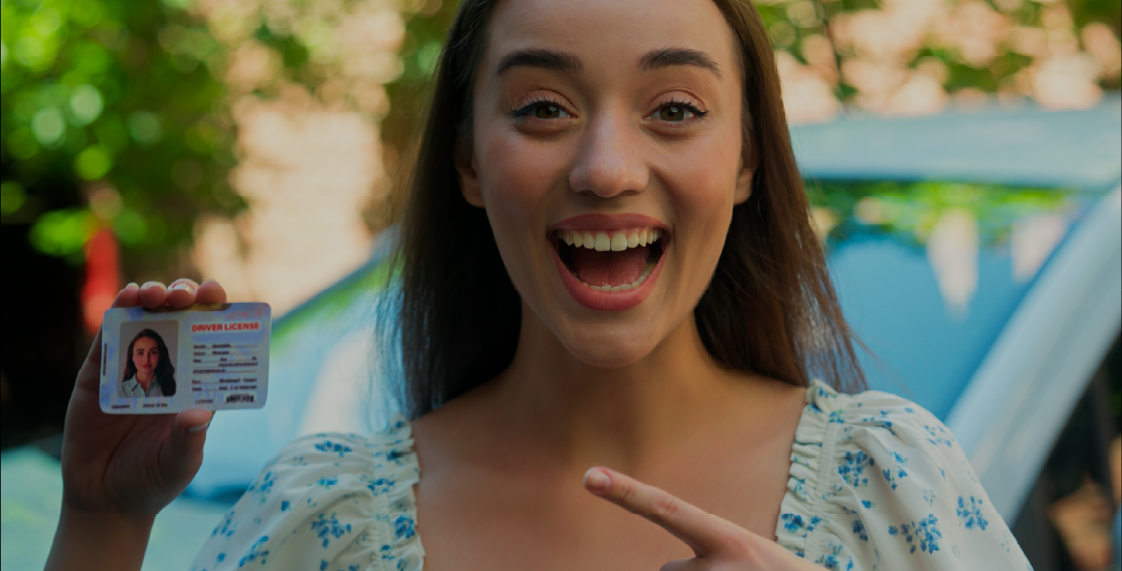
Belarus Health Insurance – A Legal Requirement
Health insurance is a legal requirement for Belarusian residence, and foreign nationals must hold valid medical cover during their stay. It helps applicants meet the conditions of the residence process and is checked as part of the temporary residence application.
Read Guide
Last Updated: July 10, 2026
This content is reviewed and updated periodically to maintain accuracy and relevance.
