
LIECHTENSTEIN HEALTH INSURANCE
Liechtenstein Health Insurance – A Legal Requirement
Health insurance is an important requirement for visa applications, residence permits, work permits, and long-term stay in Liechtenstein. It helps applicants demonstrate financial and medical coverage for their stay and may be requested as part of immigration or residency procedures.
Learn about Liechtenstein health insurance requirements, valid coverage, required documents, application use, renewal support, and country-specific guidance before applying for a visa or residence permit.
- Required for Visa & Residence
- Medical Coverage in Liechtenstein
- Work Permit Support Documents
- Insurance & Renewal Guidance
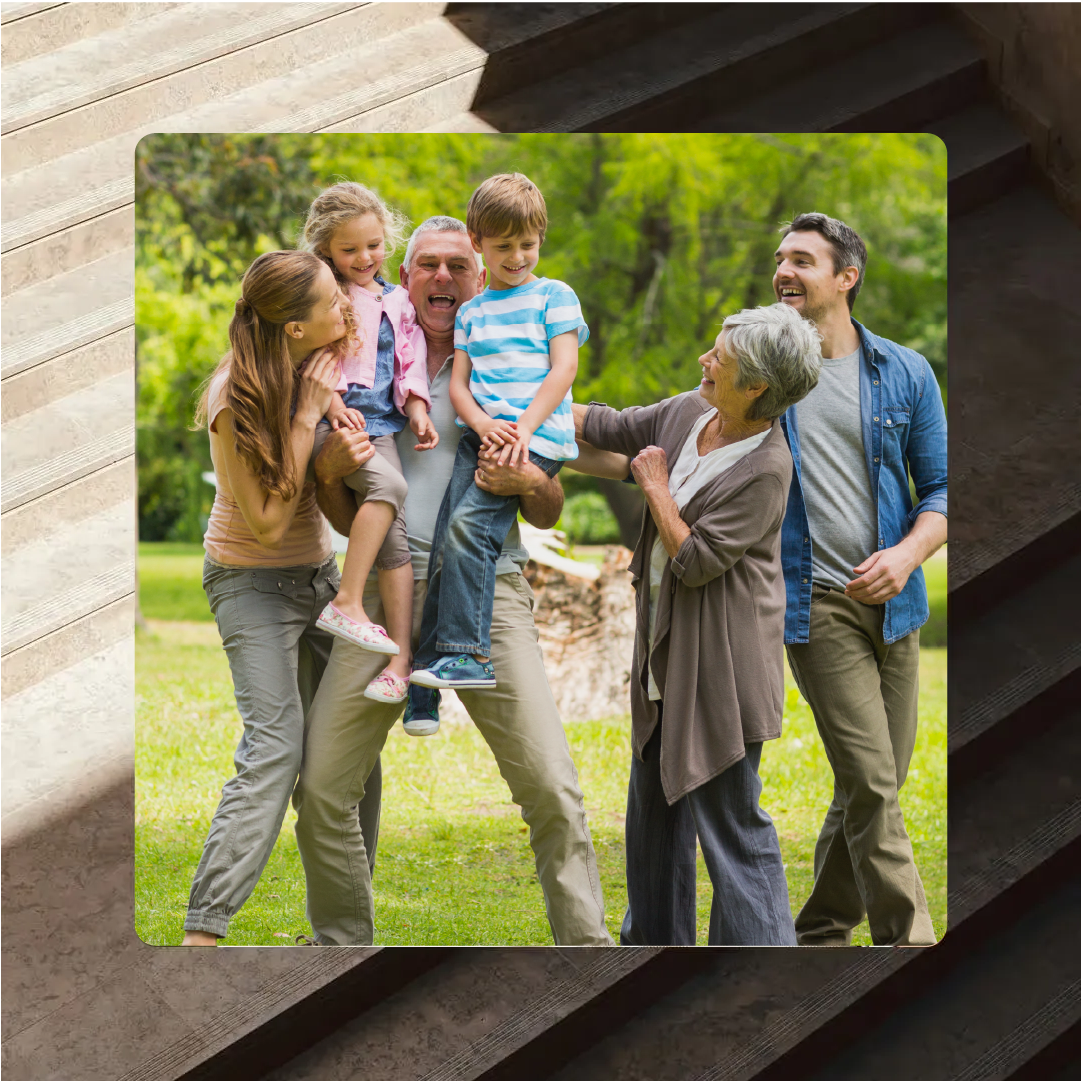
Health Insurance in Liechtenstein: A Guide for Foreign Workers
Liechtenstein runs a compulsory health insurance system modelled closely on its neighbour Switzerland: every resident must take out health insurance from an approved insurer and pay a monthly premium. There is no free state health service and no payroll health fund — you buy your own cover, and the State and your employer help with the cost. For a foreign worker, the practical steps are choosing an insurer and registering with the Office of Health. This guide explains how the system works, what it covers, what it costs, and what foreign workers and professional drivers need, including how cover ties in with residence. Liechtenstein is not in the European Union but is part of the European Economic Area and the Schengen area, and it uses the Swiss franc as its currency.
The short version: health insurance is compulsory for everyone living in Liechtenstein, bought from one of the approved health insurers and regulated by the Office of Health. You pay a monthly premium, with children insured free and young adults at half price, and your employer covers half of an employee’s premium. The country has just one hospital, so specialised care often means travelling to Switzerland or Austria. The state system does not cover dental care. Because the cost of care is high and the permit system is restrictive, planning your cover before you arrive matters.
How health insurance in Liechtenstein works
Liechtenstein uses a compulsory private-insurance model under its Health Insurance Act, much like Switzerland’s. Every resident must hold basic health insurance, which they buy from one of a small number of approved insurers; the insurers compete on premiums and service but must all offer the same legally defined basic cover. The Office of Health oversees the system and the federation of health insurers coordinates the contracted doctors. Care is organised around a general practitioner who is your first point of contact, and most doctors are contracted to the insurers, so you do not pay upfront when you see one — the insurer is billed directly. The country has a single hospital, so the system is closely integrated with Swiss and Austrian providers for anything it cannot handle at home.
The types of cover you will come across.
A few kinds of cover sit side by side in Liechtenstein. Compulsory basic insurance is the statutory layer everyone must hold. Supplementary private insurance is widely taken out for extras the basic cover excludes, such as private hospital rooms, free choice of doctor abroad and dental treatment. International health insurance covers you inside Liechtenstein and abroad. Because Liechtenstein is in the European Economic Area, the European Health Insurance Card covers necessary care during a temporary stay, and the S1 form lets pensioners and posted workers from elsewhere in the European Economic Area register with the Office of Health and join an insurer. The United Kingdom’s Global Health Insurance Card works the same way as the European Health Insurance Card for visitors.
Who actually needs health insurance?
Everyone resident in Liechtenstein must hold compulsory basic insurance — it is a legal obligation, not a choice, and you cannot use foreign statutory cover as a substitute if you live and work here. Employed foreign workers take out a policy and have half the premium paid by their employer. The self-employed pay their own premium in full. Children are insured free until sixteen, and young adults from sixteen to twenty pay a reduced premium. Pensioners and posted workers from the European Economic Area can register their S1 with the Office of Health and join an insurer rather than buying ordinary cover. Because residence permits are tightly limited, most people arrive with a job already arranged, and their insurance follows from taking up residence.
What the public system covers
The compulsory basic insurance covers a comprehensive package: general practitioner and specialist care, hospital treatment, maternity care, diagnostics, emergency care and prescribed medicines, with medicines covered by the basic insurance dispensed free of charge. Because the country has only one hospital, much specialised and inpatient treatment is provided in Switzerland or Austria under the same cover, and hospital admission generally needs approval from the Office of Health except in emergencies. Ambulance transport to contracted facilities is covered. The clearest gap is dental care: there is no state dental cover, so all dental treatment is paid privately or through supplementary insurance. The basic cover is about meeting medical needs; comforts such as a private room come through supplementary insurance.
What it costs
Unlike a tax-funded system, you pay a monthly premium for your basic insurance, set by your insurer; for adults this is typically in the region of three hundred Swiss francs a month, with children insured free and sixteen-to-twenty-year-olds at half price. If you are employed, your employer pays half of your premium. On top of the premium, you share the cost of care you use: an annual excess that you pay first, then a percentage of further costs up to a yearly ceiling, with lower ceilings for older people. Supplementary insurance and international plans cost more, depending on age and benefits. All these amounts are in Swiss francs, since Liechtenstein uses the franc. You should budget for the premium, the annual excess and dental treatment.
Why do most foreign workers add private cover?
The compulsory basic insurance meets medical needs, but supplementary private cover is common for the things it leaves out: private or semi-private hospital rooms, free choice of clinic across the border, and dental treatment, which the basic cover does not include at all. International plans add wider cover and medical evacuation, which can matter given how often serious care happens in Switzerland or Austria. When you compare supplementary policies, look at the hospital and dental benefits, the cover for treatment abroad, any waiting periods, and whether pre-existing conditions are excluded. Because basic premiums and out-of-pocket ceilings are already significant, weigh how much extra cover you really need. Check what your employer’s package already provides before buying more.
Health insurance for your residence permit
Liechtenstein’s residence permits are among the most restricted in Europe, with a limited annual quota and part of it allocated by ballot, so most foreign workers arrive with employment arranged. Once you take up residence, holding compulsory basic insurance is mandatory, and proof of cover is part of settling in. European Economic Area pensioners and posted workers register their S1 with the Office of Health and join an insurer. The Immigration and Passport Office handles residence and work permits, and registration with your municipality is part of the process. Because the permit rules are strict and change from time to time, and because cover is compulsory from the moment you become resident, always confirm the current requirements with the Immigration and Passport Office before you plan a move.
Health insurance for truck and transport drivers
Professional drivers carry more health risk than most workers — long hours at the wheel, time away from home and the constant risk of a road accident. Liechtenstein is tiny and landlocked between Switzerland and Austria, so a driver based here is almost always crossing borders, and the Rhine valley corridor carries freight between the two neighbours. Your compulsory cover handles necessary care, and the European Health Insurance Card covers you across the European Economic Area. Still, it is worth checking on-road emergency cover along the routes you actually drive, accident and injury cover including hospitalisation and rehabilitation in Switzerland or Austria, and the occupational-health provisions for the medical examinations a professional licence requires. Supplementary cover that follows you across the border adds protection.
Using your insurance day to day
Day to day, you register with a general practitioner, who is your first point of contact and refers you to specialists or a hospital when needed. Because most doctors are contracted to the insurers, you usually do not pay upfront — the doctor bills your insurer, and you are then asked for your share. Prescribed medicines covered by the basic insurance are dispensed free at the pharmacy. For hospital treatment, especially across the border, the Office of Health generally approves admission in advance except in emergencies. In an emergency, call 112, the European emergency number, or 144 for an ambulance. The country’s one hospital is in Vaduz, with most specialised care in nearby Switzerland or Austria. German is the official language; English is widely understood, though German helps in dealings with the authorities.
Choosing a private insurer
For your compulsory basic insurance, the cover is the same across approved insurers by law, so compare on premium and service. For supplementary cover, look closely at what the policy adds: hospital room class, dental benefits, free choice of clinic abroad and treatment in Switzerland or Austria. Go through the exclusions carefully — pre-existing conditions are the common gap — and check the waiting periods that apply to dental and planned treatment. If you travel often, make sure any added cover follows you across the border. Check any policy against what your employer might already provide. We name no specific insurer here; the point is straightforward guidance so you can choose well.
For professional drivers in Liechtenstein
If you are relocating to drive in Liechtenstein, arrange your compulsory basic insurance as soon as you take up residence, register with a general practitioner, and consider supplementary cover for treatment across the border. Every employer on our platform complies with Liechtenstein labour and social insurance law, including the arrangement under which your employer pays half of your insurance premium.
- Browse driver vacancies in Liechtenstein.
- Register a driver profile.
- For employers — guidance on employment package requirements
Health insurance by Liechtenstein municipality
Liechtenstein is made up of eleven municipalities across two regions, the Oberland and the Unterland, and the rules are the same in each — compulsory basic insurance, supplementary cover on top. Here is the picture municipality by municipality.
Vaduz
The capital, home to the country’s single hospital and the Office of Health, and the central point for accessing care. Driver jobs in Vaduz.
Schaan
The largest municipality by population and the main industrial and business hub, on the valley’s through-routes. Driver jobs in Schaan.
Triesen
A southern Oberland municipality with an industrial estate, on the road towards the Swiss border at Balzers. Driver jobs in Triesen.
Balzers
The southernmost municipality, at the Swiss border crossing towards the Rhine valley and the route to Sargans. Driver jobs in Balzers.
Eschen
A central Unterland municipality and a business centre for the lowland region, near the Austrian border. Driver jobs in Eschen.
Mauren
An Unterland municipality close to the Austrian border crossings, with quick access to the wider road network. Driver jobs in Mauren.
Triesenberg
The mountain municipality above the valley, reaching up to the Malbun resort, with winding access roads. Driver jobs in Triesenberg.
Ruggell
The northernmost municipality, in the lowland near the point where Liechtenstein, Switzerland and Austria meet. Driver jobs in Ruggell.
Gamprin
A small Unterland municipality on the Rhine, near the Swiss border crossing at Bendern. Driver jobs in Gamprin.
Schellenberg
A small hillside municipality in the Unterland near the Austrian border. Driver jobs in Schellenberg.
Planken
The smallest municipality, on the mountainside above Schaan, with steep access roads. Driver jobs in Planken.
How health cover works in Liechtenstein — the essentials
As part of the EU or EEA framework, Liechtenstein runs a structured health system that residents pay into and that visitors from other member states can tap with a European Health Insurance Card for medically necessary treatment. If you move to Liechtenstein to live or work, you normally join the local system through employment or residence, and proof of cover is usually required for a residence permit.
An EHIC is not a substitute for full cover, though: it handles public, medically necessary care at local rates, not private treatment, repatriation or a planned move. So a visitor to Liechtenstein still benefits from private travel health insurance, and anyone relocating needs proper resident cover, whether statutory or private, from day one.
Related guides
- Health insurance in Europe — overview
- Liechtenstein residence permit guide
- Liechtenstein citizenship guide
Official government sources
- Office of Health (Amt für Gesundheit) — health policy and the insurance system.
- Liechtenstein Association of Health Insurers — contracted doctors and insurers.
- Financial Market Authority — supervision of insurers.
- Immigration and Passport Office — residence and work permits.
- Liechtenstein social insurance (AHV-IV-FAK) — social insurance.
Information only — not legal, medical or insurance advice. Premiums, covered services and rules can change. Always confirm current details with the official Liechtenstein authorities above before you act.
Drive Liechtenstein. Stay Legally. Belong.
For anyone moving to Liechtenstein to drive or work, health insurance is not just paperwork. It keeps you covered on the road, supports your visa, work permit, and residence permit applications, and for employed drivers, it usually begins through your employer’s social security registration when you start work.
FastDriver sets out the cover you are likely to need in Liechtenstein, how travel insurance and proper health insurance differ, and what it takes to keep your policy valid — honest, practical guidance for drivers and foreign workers, with no shortcuts or empty promises.
FAQs About Liechtenstein Health Insurance
Get clear, accurate answers to the most common questions about health insurance in Liechtenstein for foreign workers, professional drivers, expats, and employers.- Is health insurance mandatory in Liechtenstein?
- How does the system work?
- How much does it cost?
- What currency is used?
- Does the European Health Insurance Card work in Liechtenstein?
- Is there a hospital in Liechtenstein?
- Is dental care covered?
- Do I pay upfront to see a doctor?
- Do I need a referral to see a specialist?
- What does supplementary insurance add?
- How hard is it to get a residence permit?
- What number do I call in an emergency?
- Can my family be covered?
- I am a lorry driver crossing borders — what should I check?
- Where can I confirm the official rules?
- Is healthcare free in Liechtenstein?
- How does health insurance work in Liechtenstein for foreigners?
- Does US health insurance or Medicare cover Liechtenstein?
- Is healthcare in Liechtenstein good?
- What cover do retirees and remote workers need in Liechtenstein?
- Are there English-speaking doctors in Liechtenstein?
- Can I use private hospitals in Liechtenstein?
- How do I register with a doctor in Liechtenstein?
- Are pre-existing conditions covered in Liechtenstein?
- Does health cover in Liechtenstein include maternity and pregnancy?
- Does it cover mental health care in Liechtenstein?
- How do prescriptions and pharmacies work in Liechtenstein?
- What co-payments or charges apply in Liechtenstein?
- Is dental and optical care included in Liechtenstein?
- Can I use health insurance immediately on arrival in Liechtenstein?
- What happens in a medical emergency as a visitor to Liechtenstein?
- How do I claim or get reimbursed in Liechtenstein?
- Can I keep my home-country insurance for Liechtenstein?
- What is the difference between travel insurance and health insurance for Liechtenstein?
- Do students need special health insurance in Liechtenstein?
- How much does private health insurance cost in Liechtenstein?
- Can self-employed or freelance workers get health insurance in Liechtenstein?
- Does my Liechtenstein health insurance cover me when I travel abroad?
- What happens to my cover if I lose my job in Liechtenstein?
- How do I switch health insurers in Liechtenstein?
- Does Liechtenstein have a national health service?
- Are contributions income-based or flat in Liechtenstein?
- Does my employer arrange health insurance in Liechtenstein?
- What documents do I need to get insured in Liechtenstein?
- Do children need separate health insurance in Liechtenstein?
- What is not covered by basic health insurance in Liechtenstein?
- Is ambulance or emergency transport covered in Liechtenstein?
- Can I get treatment before I am registered in Liechtenstein?
- How long does it take to get insured in Liechtenstein?
- Do I need health insurance for a visa or residence permit for Liechtenstein?

Liechtenstein Health Insurance – Stay Covered
The right cover protects you from high medical costs and meets visa requirements. Compare what visitors and residents need in Liechtenstein.
Read Guide
Last Updated: July 22, 2026
This content is reviewed and updated periodically to maintain accuracy and relevance.
