
NETHERLANDS CITIZENSHIP
Netherlands Citizenship – Legal Pathways Explained
Live, work, study, and build your future in the Netherlands through the right legal pathway. Learn about Netherlands citizenship routes, residence requirements, naturalisation rules, documents, and country-specific guidance for foreign workers and professional drivers.
- Naturalisation & Residence Routes
- Citizenship by Descent & Marriage
- Dual Citizenship Rules
- Documents & Application Steps
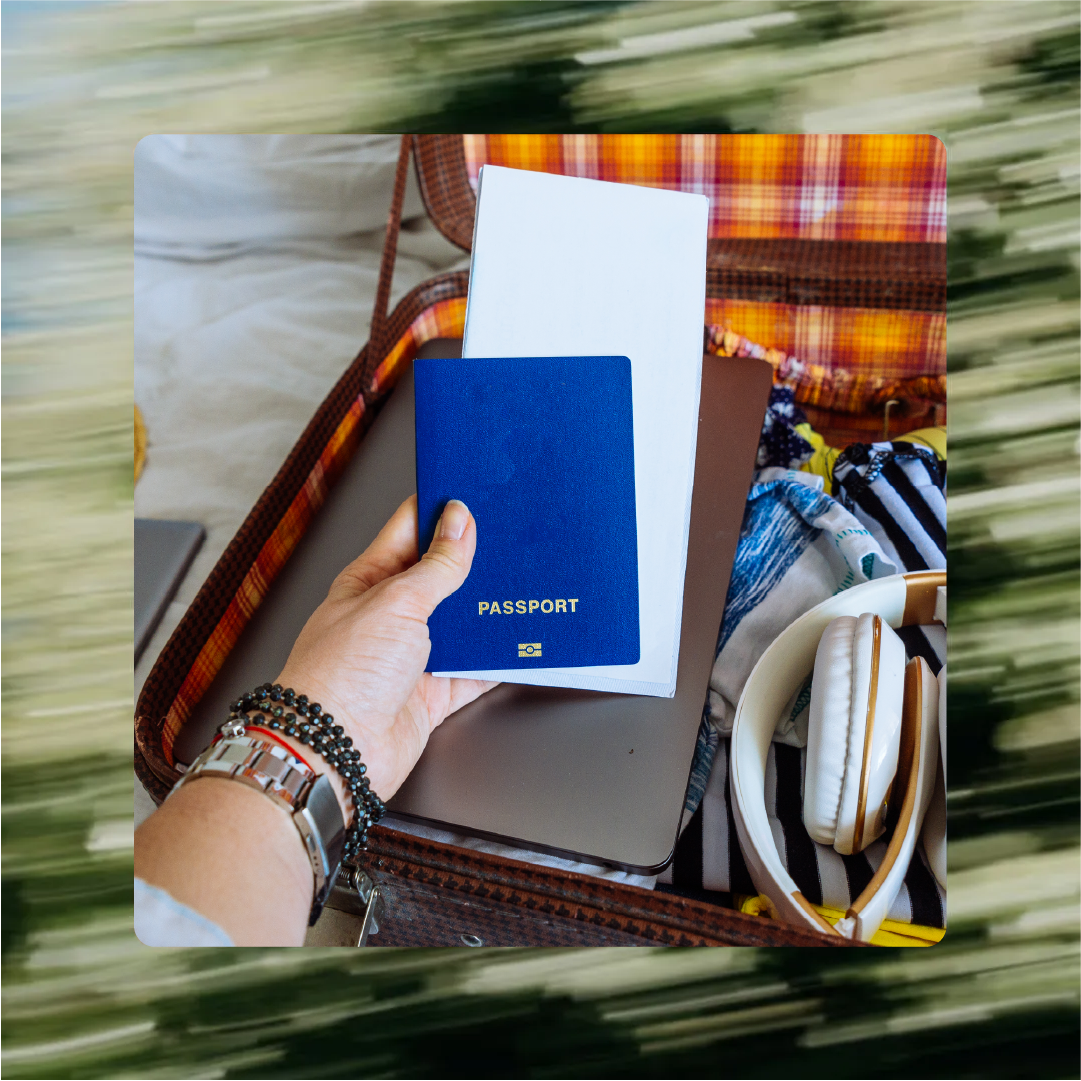
Dutch Citizenship: How to Get It, Requirements and Timeline
There is a real difference between living in the Netherlands on a permit and being a citizen of the Netherlands. Citizenship is permanent; it carries the vote, and it does not lapse when a job ends. This guide explains who qualifies, the routes open to you, what naturalisation actually involves, the timeline to expect, and what it all means for professional drivers building a career here.
How Dutch citizenship law works
Dutch citizenship is governed mainly by the Kingdom Act on Netherlands Nationality, and applications are handled by your municipality and the Immigration and Naturalisation Service (IND). Like most of Europe, the Netherlands follows the principle of jus sanguinis — citizenship passes primarily through parentage rather than place of birth — so the two most common ways to be a citizen are to be born to one, or to naturalise after a period of lawful residence.
Naturalising alters your status permanently. You gain a Dutch passport, a vote in national elections, and release from the renewals that define life on a residence permit. On top of that, it confers EU citizenship, with the right to live, work and study across the Union and consular protection when abroad.
The ways to become a Dutch citizen
There are several doors into Netherlands citizenship, and the right one depends on your ancestry, your family and how long you have lived here:
- By birth or descent — A child with a Dutch-citizen parent is Dutch from birth.
- By naturalisation — after five years of lawful residence, meeting the language, means and good-character conditions.
- By marriage — a shorter route for the spouse of a Dutch citizen.
- Through the diaspora — people of Dutch origin often face easier terms.
Citizenship by naturalisation — the requirements
The residence route — naturalisation — is what most foreign workers rely on. Netherlands requires five years of lawful residence as standard, alongside a familiar set of conditions:
- a period of continuous, lawful residence, usually with the most recent years unbroken;
- Dutch at A2 level via the civic integration exam (inburgering);
- stable, lawful means of support without reliance on social assistance;
- a clean criminal record and good character;
- proof of your identity and current nationality.
The years that qualify are years of lawful residence, held on a valid permit rather than as a visitor. Since gaps and long absences can reset the count, continuity and careful record-keeping count for as much as the headline number. The renunciation rule is the key hurdle, but the exceptions are wide: marry a Dutch citizen, or arrive as a refugee, and you may keep your old passport.
When the five years can be shorter
The headline term comes with several shortcuts. The period is commonly a shorter option route needs three years for spouses and partners of Dutch citizens, who are also often exempt from renunciation. Should you fall into one of these groups, the timeline can shrink considerably, which is why it is always worth checking the specific provisions against your case.
The documents you will need
Getting the paperwork right first time is half the battle, since missing items send a file to the bottom of the pile. Plan to gather:
- a valid passport and your residence permit or card;
- your birth certificate and marriage certificate where relevant, legalised or apostilled and officially translated;
- proof of your address and the length of your residence;
- evidence of income, employment or other lawful means;
- a police clearance or certificate of good conduct, sometimes from every country you have lived in;
- your language and, where required, civics-test results.
The application process, step by step
Details differ from case to case, but the journey through your municipality and the Immigration and Naturalisation Service (IND) typically looks like this:
- Check that you satisfy the residence requirement and the remaining conditions.
- Collect your paperwork, legalising or apostilling and translating any foreign documents.
- Take any language or civics examination and secure the certificate.
- Lodge the application with your municipality and the Immigration and Naturalisation Service (IND), paying the required fee.
- Give biometrics or attend an interview if requested.
- Await the decision, which commonly takes several months to more than a year.
- On approval, make any oath or pledge, collect your certificate, and then apply for a passport.
Fees
Citizenship is not free: beyond the application fee sit the costs of translating and legalising your documents, sitting any tests, and obtaining certificates. Fees are generally non-refundable and can be revised, so verify the current amount with your municipality and the Immigration and Naturalisation Service (IND), and factor in the surrounding expenses too.
Citizenship by marriage
Being married to a Dutch citizen shortens the wait. In the Netherlands, a spouse can usually apply after about three years, so long as the marriage is real, continuing, and the couple share a home. Language, means and good-character tests are not waived. Officials scrutinise whether the relationship is genuine rather than arranged for a passport — so keep proof of a life built together, from a joint address to routine records.
Dual citizenship in Netherlands
This is where care is needed: the Netherlands generally requires you to renounce your previous nationality, with important exceptions for spouses of Dutch citizens, recognised refugees and certain others. Whether you can keep your existing passport therefore depends on the specifics of your case and, often, on which country your current nationality is from. It is worth confirming your own position in writing before you apply, because the answer genuinely varies from one applicant to the next.
The Dutch passport and travel access
A Dutch passport is one of the world’s strongest, with visa-free access to well over 180 countries and full EU free movement. Because the Netherlands is a member of the European Union, a Dutch passport is far more than a travel document: it carries the right to live, work, study and retire in any EU or EEA country, plus Switzerland, without a visa or permit.
That single passport opens a whole continent of work and study — to your children as much as to you, which is what makes it so valuable to families.
Citizenship by exceptional contribution
There is no buying a Dutch passport. Netherlands grants no citizenship for investment on its own, and any award for exceptional service is a scarce, discretionary honour for those who have given something remarkable to the country. In practice, residence, descent and marriage are the routes that matter.
Renouncing Dutch citizenship
Citizenship is not only gained but can be renounced — commonly where another country demands it before granting its own. The formal process of giving up Dutch citizenship is generally approved only when you already have, or are guaranteed, an alternative nationality, so that statelessness is avoided. It is a grave and usually irreversible step, so consider it carefully.
Dutch citizenship for the diaspora
People with Dutch roots — a parent, grandparent or, in some cases, a more distant ancestor who was a citizen — often have a claim that ordinary applicants do not. If you have Dutch ancestry, it is worth checking whether you can confirm or reacquire citizenship by descent rather than starting the long naturalisation clock from scratch.
Begin by gathering the civil records — births, marriages, old passports or nationality papers — that establish the line between you and your Dutch ancestor. It is that paperwork that converts a family history into a claim the authorities will recognise.
For professional drivers building a career in Netherlands
For a professional driver, citizenship sits at the end of a path that begins with a work permit and a first job. Every year you spend driving lawfully in Netherlands — permit valid, contributions paid, record clean — is a year that counts toward naturalisation. Transport work is typically steady and well documented, which is exactly what the residence rule rewards.
In practice, keep your residence lawful and unbroken, retain the documents that evidence each year, and clear the language and means requirements as you go. And the prize is real: a Dutch passport would let you live and work across the EU and drive throughout the bloc without a further permit. You can browse driver vacancies in the Netherlands and set up a driver profile as you work toward it.
- Browse driver vacancies in the Netherlands.
- Register a driver profile.
- For employers — recruitment and compliance support
Building your residence by region
Naturalisation rewards a settled, documented life, and it does not matter which part of Netherlands you spend it in. Below are the regions where transport workers most often put down roots.
South Holland
The capital region offers the deepest transport labour market and the widest choice of employers, which makes building the steady, lawful residence that citizenship requires easier here than anywhere. It is the usual starting point for a driver’s qualifying years. Driver jobs in South Holland.
North Holland
Time spent living and working here on a valid permit adds to the residence record the same as in the capital, and driving jobs make that record easy to document. Driver jobs in North Holland.
North Brabant
For a driver, the appeal is simple: a job here means contracted, contribution-paying work, and that is precisely the kind of residence naturalisation rewards. Driver jobs in North Brabant.
Limburg
Steady employment in this region builds the continuous, lawful residence that a citizenship application depends on, with transport work among the most dependable routes to it. Driver jobs in Limburg.
Gelderland
A working city where lawful, settled residence counts toward naturalisation exactly as it does anywhere else in the Netherlands, and where transport and logistics roles are a reliable way to build it. Driver jobs in Gelderland.
Utrecht
Time spent living and working here on a valid permit adds to the residence record the same as in the capital, and driving jobs make that record easy to document. Driver jobs in Utrecht.
Overijssel
For a driver, the appeal is simple: a job here means contracted, contribution-paying work, and that is precisely the kind of residence naturalisation rewards. Driver jobs in Overijssel.
Zeeland
Steady employment in this region builds the continuous, lawful residence that a citizenship application depends on, with transport work among the most dependable routes to it. Driver jobs in Zeeland.
Flevoland
A working city where lawful, settled residence counts toward naturalisation exactly as it does anywhere else in the Netherlands, and where transport and logistics roles are a reliable way to build it. Driver jobs in Flevoland.
Groningen
Time spent living and working here on a valid permit adds to the residence record the same as in the capital, and driving jobs make that record easy to document. Driver jobs in Groningen.
Friesland
For a driver, the appeal is simple: a job here means contracted, contribution-paying work, and that is precisely the kind of residence naturalisation rewards. Driver jobs in Friesland.
Drenthe
Steady employment in this region builds the continuous, lawful residence that a citizenship application depends on, with transport work among the most dependable routes to it. Driver jobs in Drenthe.
What Dutch citizenship gives you
Once you hold Dutch citizenship, your place in the Netherlands is secure for life. You gain the right to live, work, and study in Netherlands without needing a permit, to vote in national elections, and to pass Dutch citizenship to your children. The Dutch passport gives you one of the world’s strongest passports, with visa-free access to well over 180 countries and full EU free movement. As Netherlands is a member of the European Union, citizenship also gives you the right to live, work, and study anywhere in the EU, and to vote in European and local elections across the bloc. Unlike a residence permit, citizenship does not lapse if you spend long periods abroad, which makes it the most stable status you can hold.
How long the process takes
The path to Dutch citizenship rewards patience and good record-keeping. Most applicants first build up 5 years of continuous legal residence, then gather their documents, sit any language or integration checks, and submit the file to your municipality and the Immigration and Naturalisation Service (IND). After filing, a decision usually takes many months, and a formal act or decree often confirms final approval before you can collect your certificate and apply for a passport. Keeping clean, unbroken residence records throughout makes the whole path far smoother.
Common reasons applications are refused
Understanding why applications fail is the best way to keep your Dutch application on track. The usual causes are not enough continuous legal residence, missing or inconsistent documents, an unspent criminal record, unpaid taxes, or falling short of the language and integration requirements. Long absences from Netherlands can also break the residence count without you realising it. Checking each requirement carefully before you apply, and keeping honest, complete records, gives you the best possible chance of approval.
Citizenship or long-term residence: which route fits you?
It is worth weighing citizenship against permanent residence in the Netherlands. Long-term or permanent residence already lets you live and work there indefinitely, and it is usually faster and simpler to obtain than citizenship. Citizenship makes sense when you want security that cannot be taken away, the right to vote, a Dutch passport, and the ability to pass your status to your children. If you mainly want to work and settle, permanent residence may be enough; if you want to put down roots for life, citizenship is the stronger choice. Many professional drivers start with residence and decide on citizenship later, once they have built up the required years.
Related guides
- Netherlands work permit
- Netherlands residence permit
- Netherlands short-stay visa
- Driver vacancies across Europe
Official government sources
- Immigration and Naturalisation Service (IND).
- Netherlands government (government.nl).
- Citizenship information (rijksoverheid.nl).
- Ministry of Foreign Affairs.
Provided for general guidance rather than as legal advice. Final decisions lie with your municipality and the Immigration and Naturalisation Service (IND), and requirements, timelines and fees are subject to change. Verify the current position with the relevant authority before making an application.
FAQs About Dutch Citizenship
Get clear, accurate answers to the most common questions about Dutch citizenship — eligibility, naturalisation, dual citizenship, the diaspora, and the application process.- How many years do I need to live in the Netherlands to apply for citizenship?
- What law governs Dutch citizenship?
- Which authority decides citizenship applications?
- Does the Netherlands allow dual citizenship?
- Is a Dutch passport an EU passport?
- Do Dutch citizens get visa-free travel to the Schengen Area?
- Do tourist or short-stay visas count toward the residence requirement?
- Can I get Dutch citizenship through marriage?
- Can I claim Dutch citizenship through my parents or grandparents?
- Do I need to speak the language?
- Do I need a clean criminal record?
- What documents do I need for the application?
- How long does the citizenship application take?
- Can my application be refused or my citizenship revoked?
- Can professional drivers become Dutch citizens?
- How much does Dutch citizenship cost?
- Do I have to give up my current citizenship to become Dutch?
- Can I get Dutch citizenship by investment?
- What is the difference between permanent residence and citizenship in the Netherlands?
- Can my children get Dutch citizenship?
- Is there a citizenship or language test for the Netherlands?
- What language level do I need for Dutch citizenship?
- How long can I spend outside the Netherlands during the qualifying years?
- Does time on a student or work visa count toward citizenship?
- Can I apply for Dutch citizenship online?
- Do I need to attend an interview or give biometrics?
- Do I have to take an oath or pledge of allegiance?
- What are the main benefits of Dutch citizenship?
- Can refugees or stateless people get Dutch citizenship sooner?
- Is there an income or financial requirement for Dutch citizenship?
- Can I reacquire Dutch citizenship if I lost or gave it up?
- Is there a fast-track route to Dutch citizenship?
- Can I get Dutch citizenship if I was born in the Netherlands?
- Do Dutch citizens have to do military service?
- Can I vote in the Netherlands as a citizen?
- What is the difference between citizenship by descent and naturalisation?
- Can I get Dutch citizenship for my spouse?
- Do Dutch citizens need a visa for the United States?
- What rights do Dutch citizens have that residents do not?
- Can I keep my Dutch citizenship if I move abroad?
- How do I prove my years of residence in the Netherlands?
- What happens to my application if I change address or job?
- Does Dutch citizenship give me EU rights?
- Is Dutch citizenship by descent limited to a certain number of generations?
- Can I appeal if my citizenship application is refused?
- Do I renounce my old nationality at a consulate or in the Netherlands?
- How is Dutch citizenship different for EU nationals?
- Can I hold three or more nationalities including Dutch?
- What is the minimum age to apply for Dutch citizenship?
- Where do I apply for Dutch citizenship?

Netherlands Citizenship – Routes, Eligibility & Rules
Dutch citizenship gives you the strongest status there is — the right to live, work, and vote, a Dutch passport, and free movement across the European Union. See who qualifies, how long it takes, and exactly what the Netherlands requires.
Read Guide
Last Updated: July 22, 2026
This content is reviewed and updated periodically to maintain accuracy and relevance.
