
LIECHTENSTEIN BANK ACCOUNT
Liechtenstein Bank Account - A Legal Necessity
Open and use a bank account in Liechtenstein for salary payments, rent, taxes, business activity, and daily financial transactions. A local bank account can be important for foreign workers, students, freelancers, employers, and long-term residents living in Liechtenstein.
Learn about Liechtenstein bank account requirements, accepted documents, proof of address, residence status, salary payments, online banking, and country-specific banking guidance before you arrive in Liechtenstein.
- Bank Account Requirements in Liechtenstein
- Accepted Documents & Proof of Address
- IBAN, SEPA & Salary Payments
- Deposit Protection & Online Banking

Opening a Bank Account in Liechtenstein: A Guide for Foreigners
Opening a bank account is near the top of the to-do list for anyone moving to Liechtenstein. Wages, rent, tax and everyday spending all flow through it, so it pays to sort it out early. The good news is that Liechtenstein’s banking is modern and used to foreign customers, and, as a SEPA member, it is well connected to the rest of Europe for euro transfers.
The short version: foreigners can open an account in Liechtenstein, usually with a passport, a residence permit for most banks, and a local address. Everyday accounts are in Swiss francs, they use IBAN, and deposits are protected. If you are a driver, open your account early — you can browse driver vacancies in Liechtenstein or register a driver profile while you get set up.
Can foreigners open a bank account in Liechtenstein?
Yes — Liechtenstein banks are open to foreign customers. In general, you need to be at least 18, present a valid passport or national ID, and, for most banks, show a residence permit and a local address. Liechtenstein uses the Swiss franc and has no central bank, but it is in the EEA and SEPA and follows EU banking rules. Some banks are more flexible than others, and the exact list varies, so it is worth asking two or three before you choose.
Opening in person is still the norm, so plan a branch visit with your papers rather than expecting to finish everything online.
The Swiss franc and multi-currency accounts
Everyday accounts in Liechtenstein are held in the Swiss franc (CHF). Because salaries, rent and bills are almost always in Swiss francs, that is the account you will use day to day. Most banks also offer euro and US-dollar accounts, which are useful if you send money home or are paid from abroad.
A multi-currency setup is handy for cross-border drivers who earn or spend in more than one currency.
Liechtenstein and SEPA
Liechtenstein is in SEPA, the Single Euro Payments Area, which treats a euro transfer between Liechtenstein and any other SEPA country like a domestic payment — same speed, same low cost. Liechtenstein uses the Swiss franc and has no central bank, but it is in the EEA and SEPA and follows EU banking rules. In practice, that means your salary, rent and cross-border euro payments move quickly and cheaply using just an IBAN.
If a payment is urgent, ask your bank whether it goes as a SEPA transfer or an international wire, as the timing differs.
Resident vs non-resident accounts
Most banks in Liechtenstein distinguish between resident and non-resident accounts. A resident account — the normal choice once you live and work here — needs a residence permit and a local address, and gives you the full range of services. A non-resident account, where offered, is more limited and is aimed at people with ties to Liechtenstein who do not yet live there.
Non-resident accounts can be a stopgap, but a resident account is what you need for salary, direct debits and full access.
Documents you’ll need
To open a resident account in Liechtenstein, expect to provide:
- A valid passport or national ID.
- Your residence permit or proof of legal stay in Liechtenstein.
- Proof of a local address (a rental contract or a utility bill).
- A local tax or identification number where required.
- Sometimes an employment contract or proof of income, and a small opening deposit.
Requirements differ by bank, so treat this as the core list and confirm the exact papers with your chosen bank.
IBAN and international transfers
Liechtenstein accounts use IBAN, the standard European account number, so sending and receiving money is simple: you give your IBAN, and euro transfers within SEPA arrive quickly and cheaply. For payments outside the SEPA area, you may also need the bank’s SWIFT/BIC code, and those transfers can carry higher fees.
For recurring income, save your IBAN somewhere handy so you can share it quickly and correctly.
Cards, ATMs and fees
Once your account is open, a debit card usually follows within a couple of weeks, sometimes on the spot. Watch for the everyday costs: a monthly account fee, ATM withdrawal fees (especially at other banks’ machines or abroad), and currency-conversion charges. Many banks in Liechtenstein now offer app-based accounts with lower fees and instant cards, which can be worth comparing.
A fee-light app account alongside a traditional one can be a good combination for a mobile worker.
Basic payment accounts
As an EEA country, Liechtenstein applies the EU rule giving legal residents the right to a basic payment account with essential services, so a bank should not leave you without at least a simple account for your salary and bills.
If cost is a concern, the entry-level account is usually the cheapest way to bank legally.
Banking, employment and residence
Banking, employment and residence are closely linked in Liechtenstein. Employers pay wages into a local account, tax and social contributions are settled through the system, and having an account is part of putting your working life on a legal footing. Opening one early smooths your first pay run and the wider process of settling in.
If you are moving to Liechtenstein to drive, line up your account alongside your residence and work paperwork. You can browse driver vacancies in Liechtenstein and register a driver profile, and employers can post roles and manage recruitment and compliance through FastDriver.
Deposit protection
Money in a licensed Liechtenstein bank is protected. Deposits are covered up to CHF 100,000 per depositor through the Deposit Guarantee and Investor Protection Foundation, so if a bank were to fail, eligible deposits up to the limit are repaid. This protection is one reason to bank with a supervised, licensed institution rather than an informal arrangement.
Check that any bank or app you use is licensed and covered by the scheme before depositing significant sums.
Common issues — and the biggest mistake
A few issues catch newcomers in Liechtenstein. An account can be temporarily restricted if compliance checks are outstanding or documents are out of date, and a bank may limit or close an account if your residence permit lapses. But the single biggest mistake is waiting too long to open an account — it delays your first salary payment and holds up the rest of your settling-in.
Start the account process in your first weeks, not after your first payday is already due.
For professional drivers in Liechtenstein
For professional drivers, a Liechtenstein account is simply the tool that gets you paid and lets you live normally — salary in, rent and bills out, wherever your routes take you. The practical advice is the same everywhere: open it early, keep your documents current, and make sure your employer has the right IBAN before your first pay run.
If you are looking for work, you can browse current driver vacancies in Liechtenstein and register a driver profile. Employers hiring in Liechtenstein can post roles and manage compliance through FastDriver.
Banking in the Liechtenstein region
Liechtenstein is small, so banking is handled centrally rather than region by region, but here are the main areas and what banking access is like in each.
Vaduz
The capital region, with the widest choice of banks and branches and the easiest access to English-speaking staff. Driver jobs in Vaduz.
Schaan
Residents of Schaan use local branches and ATMs of the major banks for their day-to-day banking. Driver jobs in Schaan.
Triesen
The main banks operate branches across Triesen for accounts, cards and payments. Driver jobs in Triesen.
Balzers
Local branches of the main banks serve Balzers, covering everyday accounts, cards and transfers. Driver jobs in Balzers.
Eschen
Banking in Eschen is handled through branches of the national banks, with ATMs in the main towns. Driver jobs in Eschen.
Mauren
Residents of Mauren use local branches and ATMs of the major banks for their day-to-day banking. Driver jobs in Mauren.
Triesenberg
The main banks operate branches across Triesenberg for accounts, cards and payments. Driver jobs in Triesenberg.
Ruggell
Local branches of the main banks serve Ruggell, covering everyday accounts, cards and transfers. Driver jobs in Ruggell.
Gamprin
Banking in Gamprin is handled through branches of the national banks, with ATMs in the main towns. Driver jobs in Gamprin.
Schellenberg
Residents of Schellenberg use local branches and ATMs of the major banks for their day-to-day banking. Driver jobs in Schellenberg.
Planken
The main banks operate branches across Planken for accounts, cards and payments. Driver jobs in Planken.
Digital and mobile banking in Liechtenstein
You will do most of your banking in Liechtenstein online. After the account is set up, a mobile app handles transfers, bill payments and card freezes, while a contactless debit card takes care of everyday spending. Instant payment alerts make it easy to spot anything unusual, which is reassuring when you are still new to banking in Liechtenstein.
If you want an account before you have even chosen a local bank, EU-licensed money apps let residents right across the bloc hold Swiss francs and make instant transfers. Plenty of foreigners in Liechtenstein keep one of these alongside a traditional Liechtenstein bank account, using the app for quick payments and the bank for salary, rent and anything that needs a full local IBAN.
Can you open a bank account in Liechtenstein before you arrive?
Opening a bank account from abroad is possible in Liechtenstein in some situations, particularly with digital banks and larger institutions that offer video identification. Sorting this out before you move means you can receive your first salary or pay a rental deposit without waiting.
Traditional banks in Liechtenstein usually still want to meet you in person for a full current account, so booking an appointment before you travel is sensible. Bring the documents the bank lists, and remember that under EU rules you have the right to a basic payment account even without a long local address history.
Choosing the right bank in Liechtenstein
Not every bank in Liechtenstein is equally easy for a foreigner, so weigh a few things first. Monthly charges, English-language service, the size of the ATM network and how each bank treats non-residents all vary, and a short comparison can save you both money and frustration.
Every bank in Liechtenstein is licensed and supervised by the Financial Market Authority (FMA) Liechtenstein, and your money is protected up to CHF 100,000 per depositor if a bank ever fails so that you can focus the comparison on service and cost rather than safety. Reading the full fee list, including charges for ATM withdrawals abroad and card replacement, keeps you from being caught out later.
Sending money home from Liechtenstein
If you support relatives in another country, getting money out of Liechtenstein cheaply matters as much as getting paid. Bank transfers, transfer companies and money apps all compete here, and the fees and exchange rates can differ enough that it is worth checking each time you send.
Even though Liechtenstein is in SEPA, your account here is usually held in Swiss francs, so sending euros abroad still involves a currency conversion; SEPA simply keeps the transfer itself cheap once the money is in euros. Compare your bank’s exchange rate against a specialist money app, especially for regular payments.
Related guides
- EU bank account — overview
- Income tax in Liechtenstein
- Liechtenstein residence permit
- Liechtenstein work permit
Official sources
- The Financial Market Authority (FMA) Liechtenstein — banking supervision and payment systems.
- Deposit Guarantee and Investor Protection Foundation — deposit protection.
Information only — not financial or legal advice. Requirements, fees and coverage limits differ by bank in Liechtenstein and can change. Always confirm directly with your bank what documents you need before you apply.
Drive Liechtenstein. Stay Legally. Belong.
A bank account is one of the first practical steps toward building a legal life in Liechtenstein — your salary, rent, business payments, tax use, and daily expenses can all flow through it. Opening an account early can make your work, residence, and long-term settlement process smoother.
FastDriver shows you the honest road, step by step — from required documents and proof of address to salary payments, online banking, tax use, and legal stay support, with no shortcuts and no false promises.
Opening a Bank Account in Liechtenstein – Frequently Asked Questions
Common questions about opening and using a bank account in Liechtenstein as a foreigner — documents, currency, IBAN, SEPA, fees and deposit protection.- Can foreigners open a bank account in Liechtenstein?
- What currency are Liechtenstein accounts in?
- Is Liechtenstein in SEPA?
- Does Liechtenstein use IBAN?
- What documents do I need to open an account in Liechtenstein?
- Can I open a Liechtenstein account before I arrive?
- How long until I get my card in Liechtenstein?
- Are there ATM fees in Liechtenstein?
- Is a tax number required to bank in Liechtenstein?
- Are my deposits protected in Liechtenstein?
- Can my Liechtenstein account be frozen?
- What happens if my residence permit expires?
- Which banks operate in Liechtenstein?
- What is the most common mistake when banking in Liechtenstein?
- Do I need a residence permit to open an account in Liechtenstein?
- Can I open an account as a non-resident of Liechtenstein?
- Do I need proof of address in Liechtenstein?
- What if I don’t have proof of address yet in Liechtenstein?
- How much is the minimum opening deposit in Liechtenstein?
- Are there monthly account fees in Liechtenstein?
- Can I get a euro account in Liechtenstein?
- How do I receive my salary in Liechtenstein?
- Can I open a Liechtenstein account online?
- Are digital banks available in Liechtenstein?
- Do I need to visit a branch in Liechtenstein?
- How long does opening an account take in Liechtenstein?
- Is online banking in Liechtenstein available in English?
- Who regulates banks in Liechtenstein?
- How safe are Liechtenstein banks?
- Can I send money abroad from Liechtenstein?
- How much does an international transfer from Liechtenstein cost?
- Is my money protected if a Liechtenstein bank fails?
- What is the deposit protection limit in Liechtenstein?
- Do I need a job to open an account in Liechtenstein?
- Can students open an account in Liechtenstein?
- Can I open a joint account in Liechtenstein?
- What is a basic payment account in Liechtenstein?
- Am I entitled to a basic account in Liechtenstein?
- Can a bank in Liechtenstein refuse me?
- What are IBAN and BIC in Liechtenstein?
- Are contactless and mobile payments common in Liechtenstein?
- Can I use my Liechtenstein card abroad?
- What happens to my account if I leave Liechtenstein?
- Can I keep my Liechtenstein account after moving away?
- Do I need to tell my Liechtenstein bank if my documents change?
- Are there withdrawal or transfer limits in Liechtenstein?
- Is cash still widely used in Liechtenstein?
- Do I need insurance or extra products to open an account in Liechtenstein?
- Where can I find driver jobs in Liechtenstein?
- Where do I check the latest banking rules for Liechtenstein?
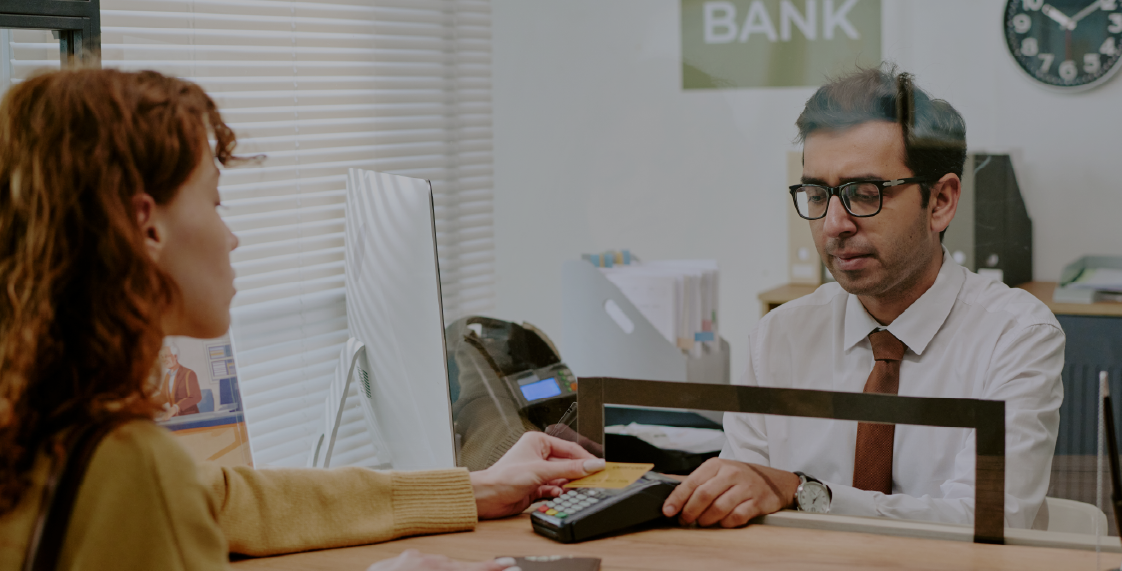
Liechtenstein Bank Account - A Legal Necessity
Essential for salary payments, rent, tax use, business activity, and managing daily financial transactions while living or working legally in Liechtenstein.
/europe/bank-account
Last Updated: July 21, 2026
This content is reviewed and updated periodically to maintain accuracy and relevance.
